For a young science lover, a good gift can turn a question into something to build, observe, or try together.
These six ideas include hands-on experiments, early engineering play, and tools for practicing math or recording discoveries.
6 Gift Ideas for Curious Young Science Lovers
Light-Up Crystal Growing Kit

- Grow red, blue, and clear crystals, then display them on the included light-up stand.
- The illustrated booklet explains how crystals are formed.
- The kit includes three growing cups and crystal powder in three colors.
Best Gift For: A young experimenter who would enjoy growing and displaying crystals.

GeoSafari My First Microscope
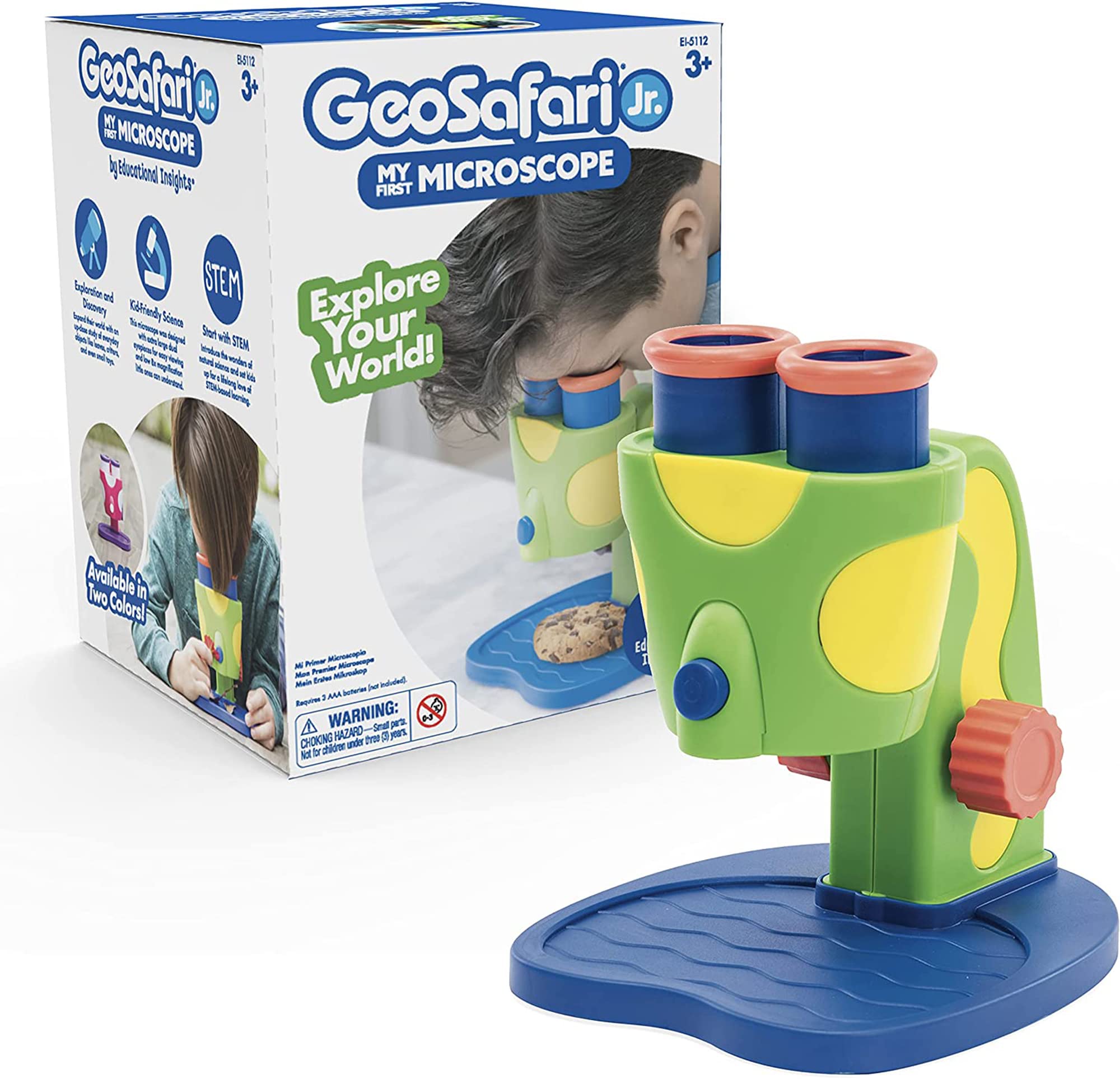
- Two extra-large eyepieces make it easy to look through the microscope.
- An overhead LED light illuminates the sample tray.
- Includes prepared slides with storage; batteries are required and not included.
Best Gift For: A child ready to explore small specimens and prepared slides.
1-2-3 Build It Robot Factory

- Build imaginative robot creations with the build-it-yourself toy.
- Building play supports early engineering and critical-thinking skills.
- The pieces work with other sets in the same series.
Best Gift For: A young child who enjoys making imaginative robot creations.
Sum Swamp Addition and Subtraction Game
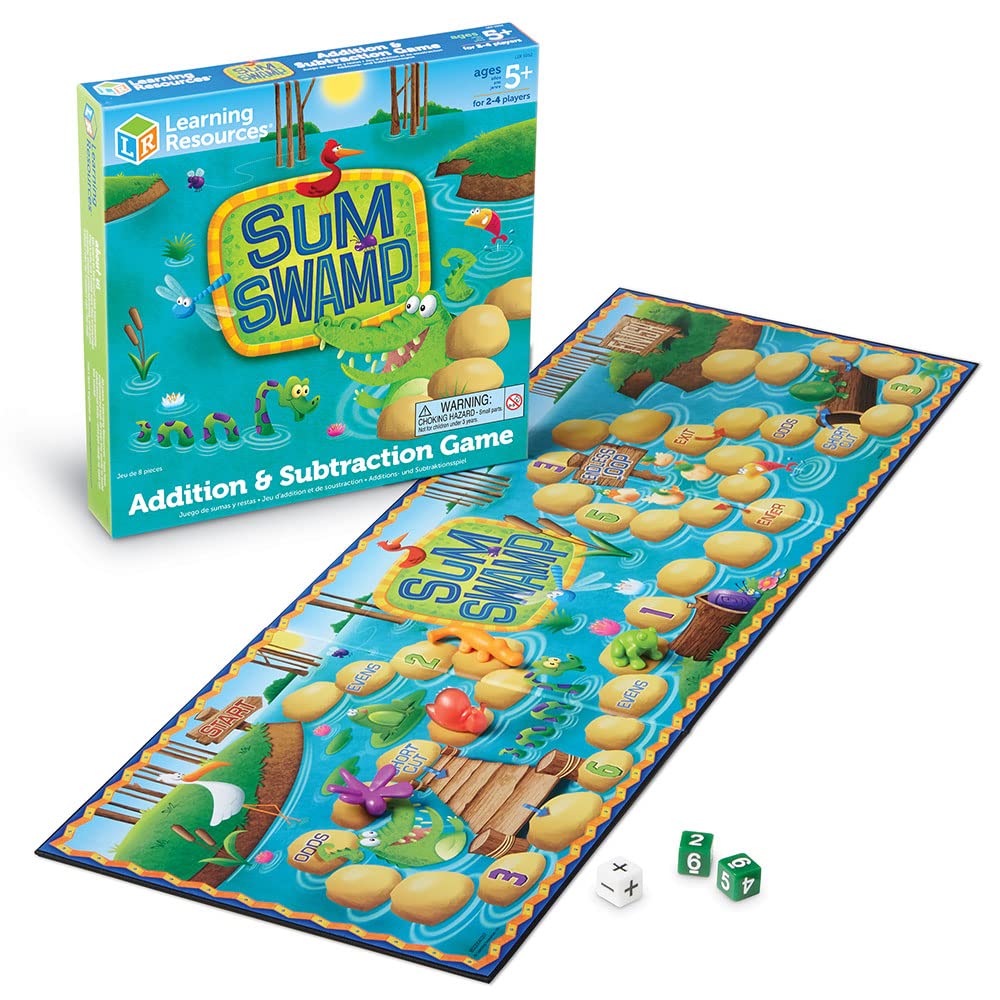
- Practice addition, subtraction, and even and odd numbers through play.
- The game is aimed at kindergarten and first-grade students.
- A sturdy board and colorful creature pieces are made for enthusiastic play.
Best Gift For: A family looking for a playful way to practice early addition and subtraction.
Minute Math Electronic Flash Card

- Practice addition, subtraction, multiplication, and division.
- One-minute challenges make practice feel like a game.
- A silent mode suits quiet practice in waiting rooms, cars, or classrooms.
Best Gift For: A student who likes short, structured math practice at home or on the go.
Clever Fox Dotted Journal 2.0
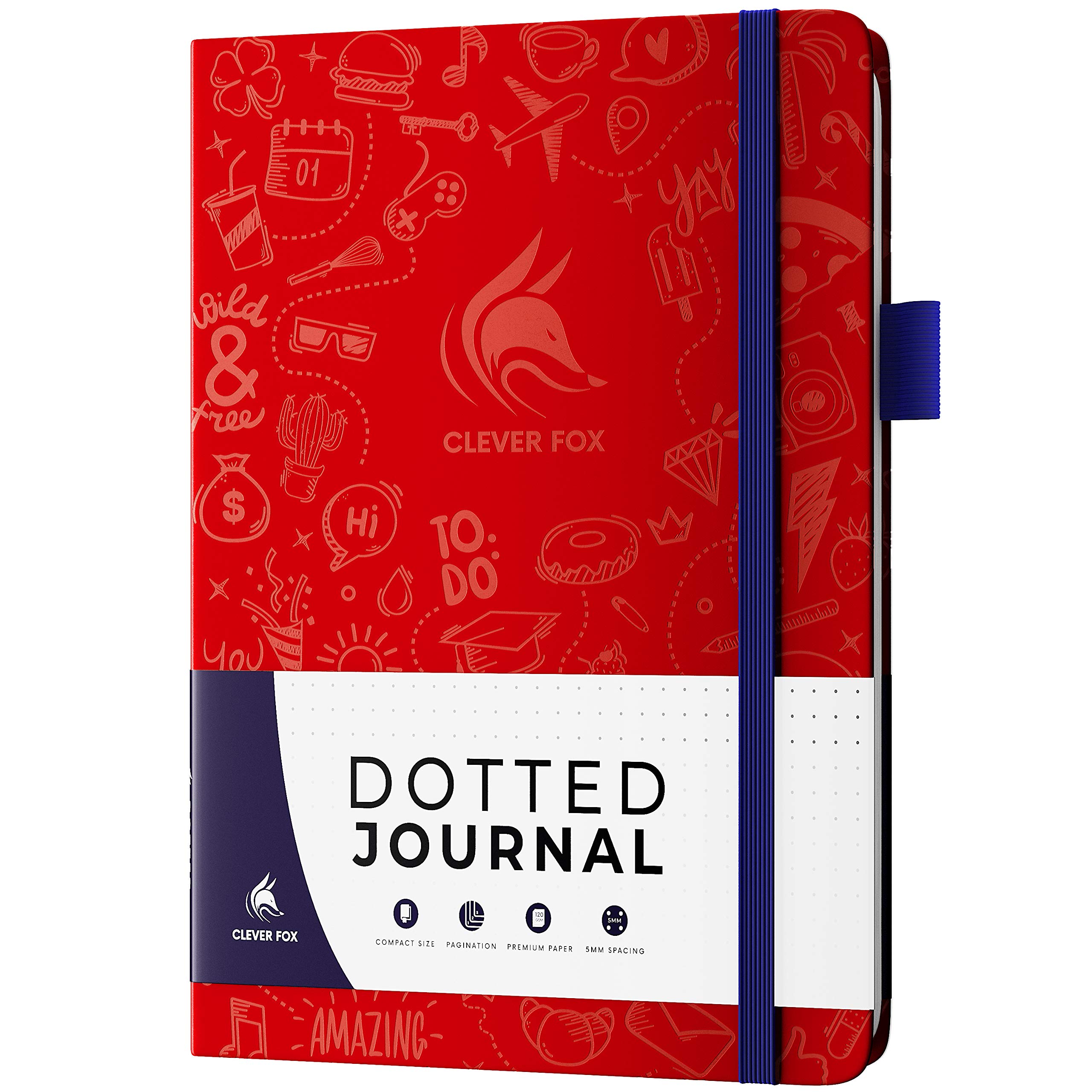
- The dotted pages work for writing, drawing, or journaling.
- The notebook has a pen loop, bookmarks, and a pocket for notes.
- Numbered pages, a key, and an index help organize entries.
Best Gift For: A curious learner who enjoys sketching, journaling, or organizing project notes.
Choosing gifts for science lovers under 50
When choosing gifts for science lovers under 50, start with the kind of curiosity the child already shows. A child who collects rocks may enjoy close observation, while one who likes making things may prefer a building activity.
For a learner who asks how materials change, a guided experiment can make the idea tangible.
Think about how much adult participation the gift is likely to need. A shared experiment can become a memorable afternoon, while a game or practice tool may fit more easily into a busy school week.
Consider the child’s age, patience, and comfort following written steps before deciding.
Match the activity to the setting, too. A tabletop project suits a calm space at home; a compact activity may be easier to bring along.
If siblings or friends might join, choose something with a natural way for them to take turns or build together.
Balance budget and lasting interest
A modest budget can cover both one standout activity and small additions that help a child use it: a notebook for observations, a place to store pieces, or time set aside to explore together. Consider the complete experience, including any batteries or other supplies the child may need, and check product details before buying.
Some gifts offer a defined project, while others can return to the routine over time. A science activity may hold attention through a focused session; a journal or practice tool may be picked up in shorter bursts.
The right choice depends on how the child likes to learn and what fits family routines.
For gifts for science lovers under 50, compare the kind of use each option invites as well as its current price. A hands-on activity may call for adult company, whereas a game creates an opportunity for family play.
Checking current prices and what is included helps set a comfortable budget.
Make the gift personal and inviting
Personal touches can make gifts for science lovers under 50 feel connected to the child’s own questions. Add a note inviting them to draw what they observe, explain a new idea, or invent a robot with a name and backstory.
Keep the invitation open so the child can take the activity in their own direction.
For a project that benefits from attention, include a simple plan to explore it together. A shared time on a quiet afternoon can be more appealing than presenting the gift as homework.
For a game, invite a sibling or caregiver to join the first round and let the child lead.
Presentation can connect several learning moods without adding a lot. Wrap an experiment with a small blank card for predictions, or pair a journal with a note about recording questions.
Keep packaging easy to open and save small parts in a container if the activity has them.
Choose a gift the child can use
For last-minute shopping, favor an activity that suits the child’s current interests and can be used with what the family already has. Before ordering, check compatibility, dimensions, included components, and whether batteries or extra supplies are needed.
That quick review can prevent a gift from waiting unused for a missing item.
If the gift has a particular age range or learning level, consider whether it matches the child rather than choosing only by age. Younger children may appreciate simple ways to build or observe, while older learners may enjoy more independent practice.
When uncertain, a flexible journal or a shared game can be easier to fit into different routines.
Check the current delivery estimate for the recipient’s location before making a last-minute purchase. If the timing is tight, a printed note describing the planned activity can accompany a smaller ready-to-give item.
Keep the message specific to the child’s interests, and leave room for them to choose how to explore.
A thoughtful finish
A science gift does not need to feel like a lesson. It can give a child a reason to wonder, a way to make something, or a place to keep track of an idea.
The best fit is often the one that feels inviting enough to start and flexible enough to make their own.
As you decide, picture the first few minutes after opening: Will the child want to look closely, build, play, or write? That small imagined moment can clarify whether the activity suits their temperament and whether an adult should be ready to participate.
Keep the wrapping simple and the invitation warm. A short note, a little shared time, or a chance to show someone what they discover can help the gift become part of the child’s curiosity long after the celebration.