For a curious child, learning can start with a game, a building challenge, or a closer look at the world around them. These nine gift ideas suit different ages and interests, with options for play, practice, creativity, and keeping study materials organized.
Consider the recipient’s age, current interests, and how they like to learn. A shared activity may suit a family game night, while a notebook or math practice tool can support independent routines.
9 Learning Gift Ideas for Curious Kids and Families
Dan&Darci Dig a Dozen Dino Egg Kit
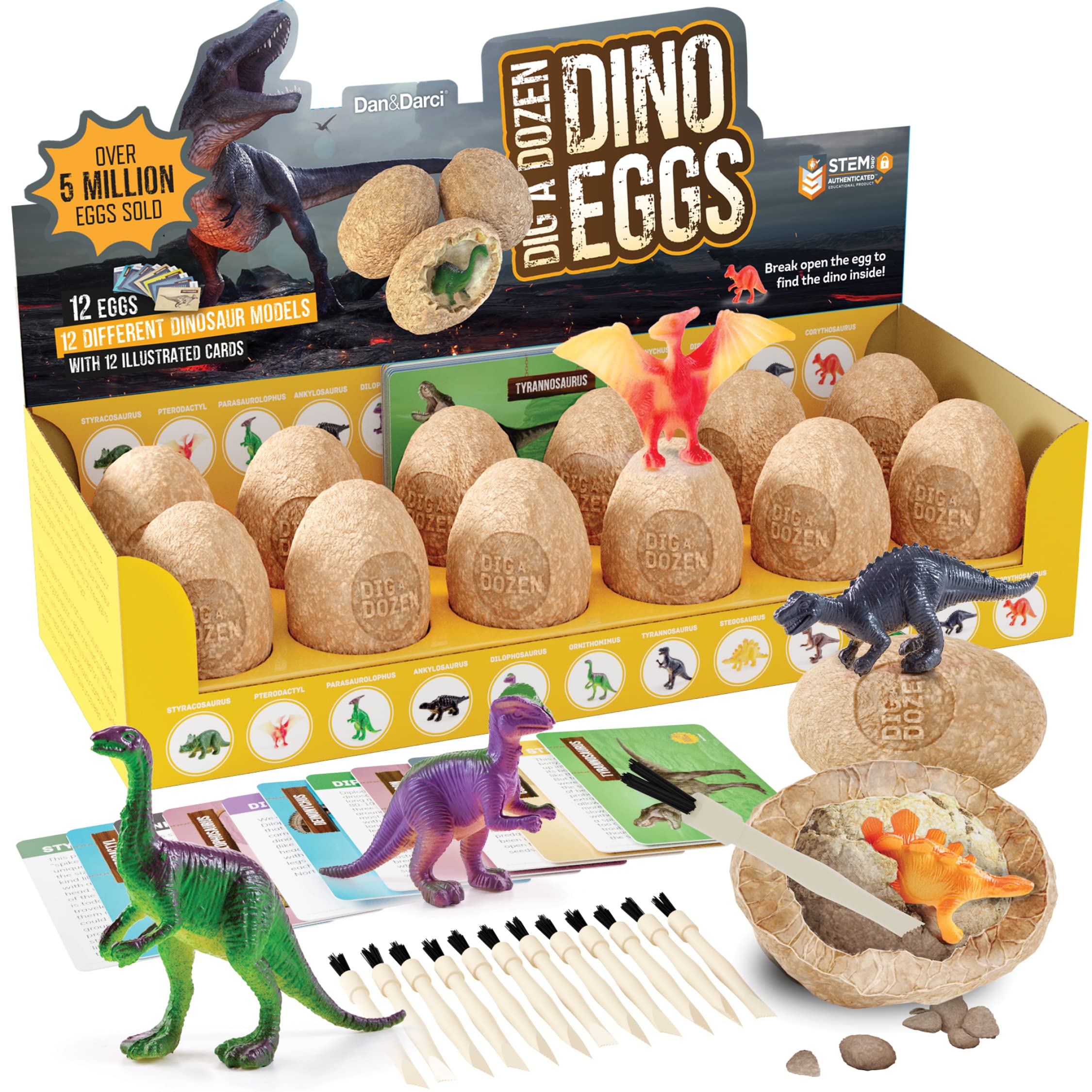
- Includes 12 eggs, each with a toy dinosaur to uncover.
- Matching cards describe each dinosaur’s history.
- Designed for individual play or a group activity.
Best Gift For: A young dinosaur enthusiast who would enjoy an excavation activity and learning about different dinosaurs.

The Sneaky, Snacky Squirrel Game
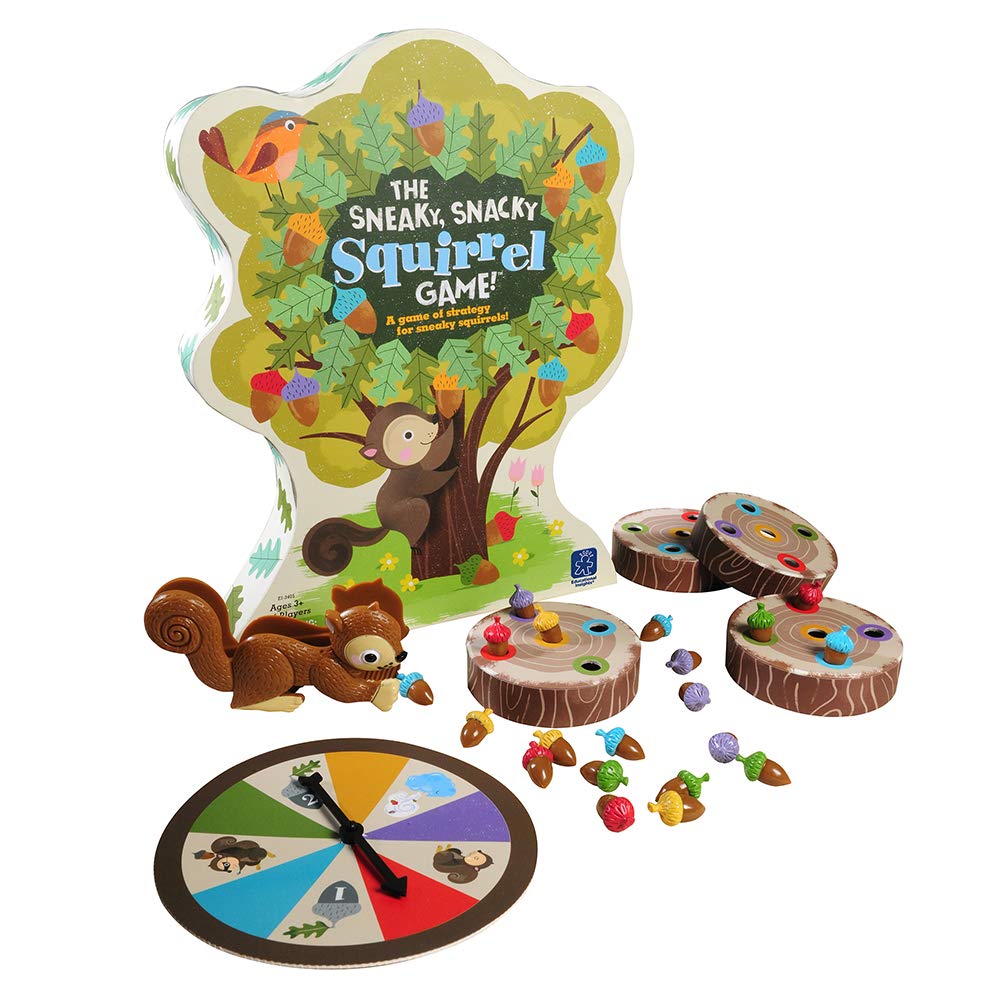
- Players match colored acorns using a squirrel squeezer.
- The game practices taking turns and sharing.
- The tree-shaped board doubles as the storage box.
Best Gift For: Preschoolers who enjoy taking turns in a matching game with family or friends.
SmartMax My First Farm Tractor Magnetic Set
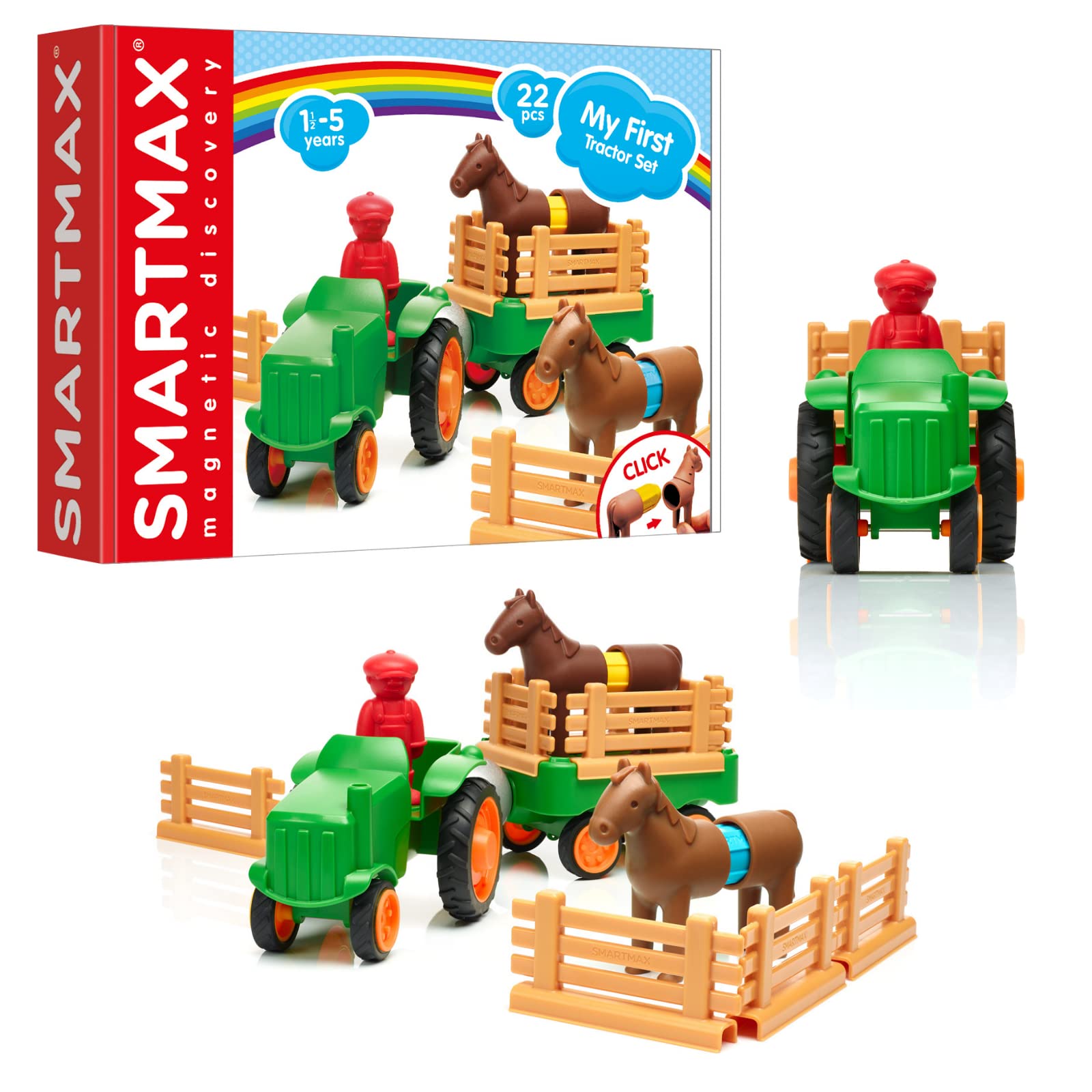
- Build a farm tractor from colorful magnetic pieces.
- The set contains 18 colorful pieces.
- Magnetic bars are made for little hands to manipulate.
Best Gift For: A young child ready for hands-on building and an introduction to early magnetism and engineering.
Educational Insights GeoSafari My First Microscope
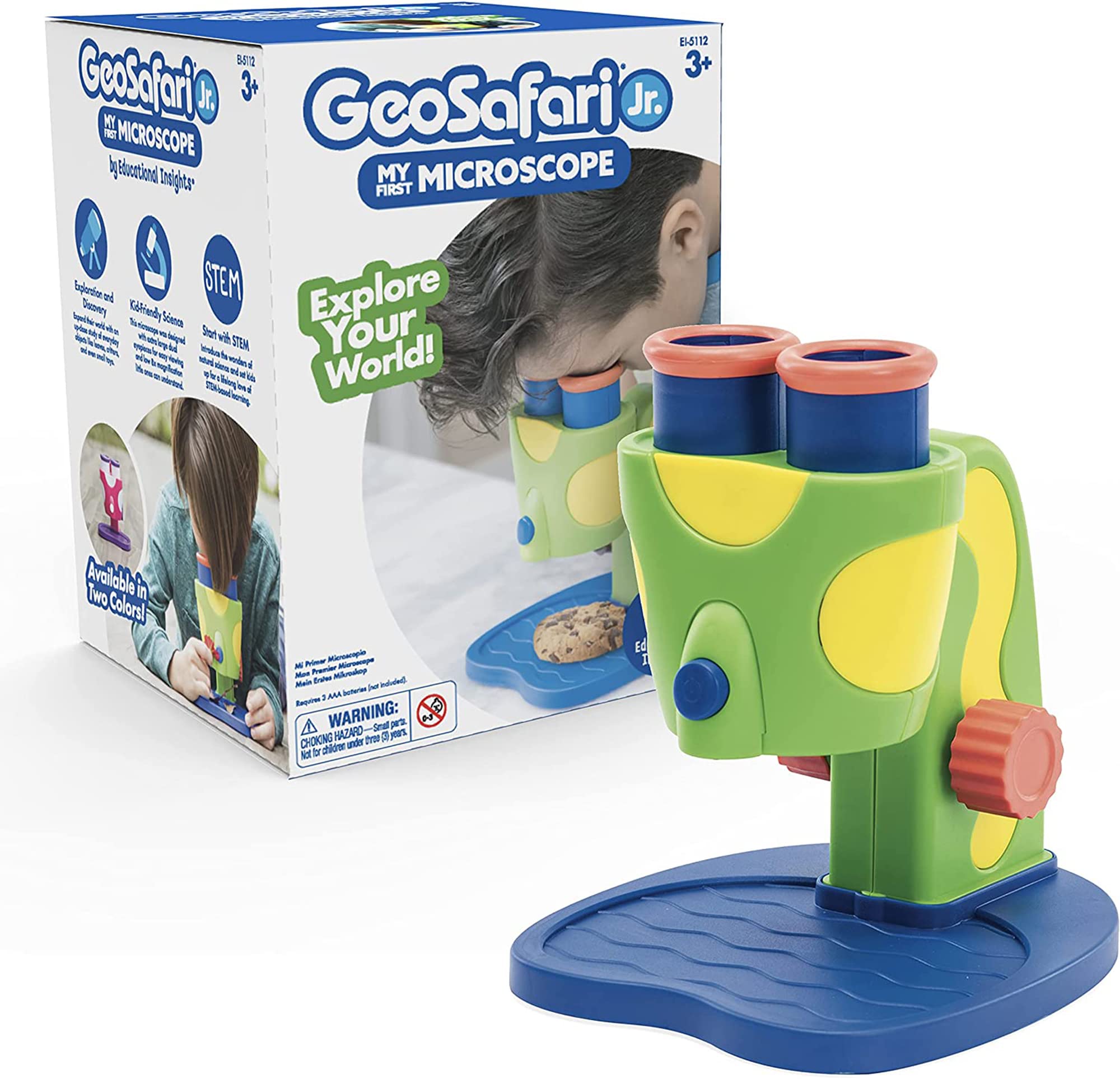
- Includes prepared slides for exploring samples.
- The overhead LED light illuminates the sample area.
- Large eyepieces mean there is no need to close one eye.
Best Gift For: A young science-curious child interested in exploring prepared samples and hands-on learning.
Learning Resources 1-2-3 Build It Robot Factory

- Children can create their own imaginative robots.
- Easy-to-handle pieces support fine motor practice.
- Works with other 1-2-3 Build It! sets.
Best Gift For: A young child who enjoys making things and practicing early engineering skills through play.
Learning Resources Minute Math Electronic Flash Card

- Practice addition, subtraction, multiplication, and division.
- One-minute challenges make practice a timed game.
- Silent mode suits waiting rooms, car rides, or classrooms.
Best Gift For: A student who wants short math practice at home or during quiet travel time.
Clever Fox Dotted Journal 2.0 A5
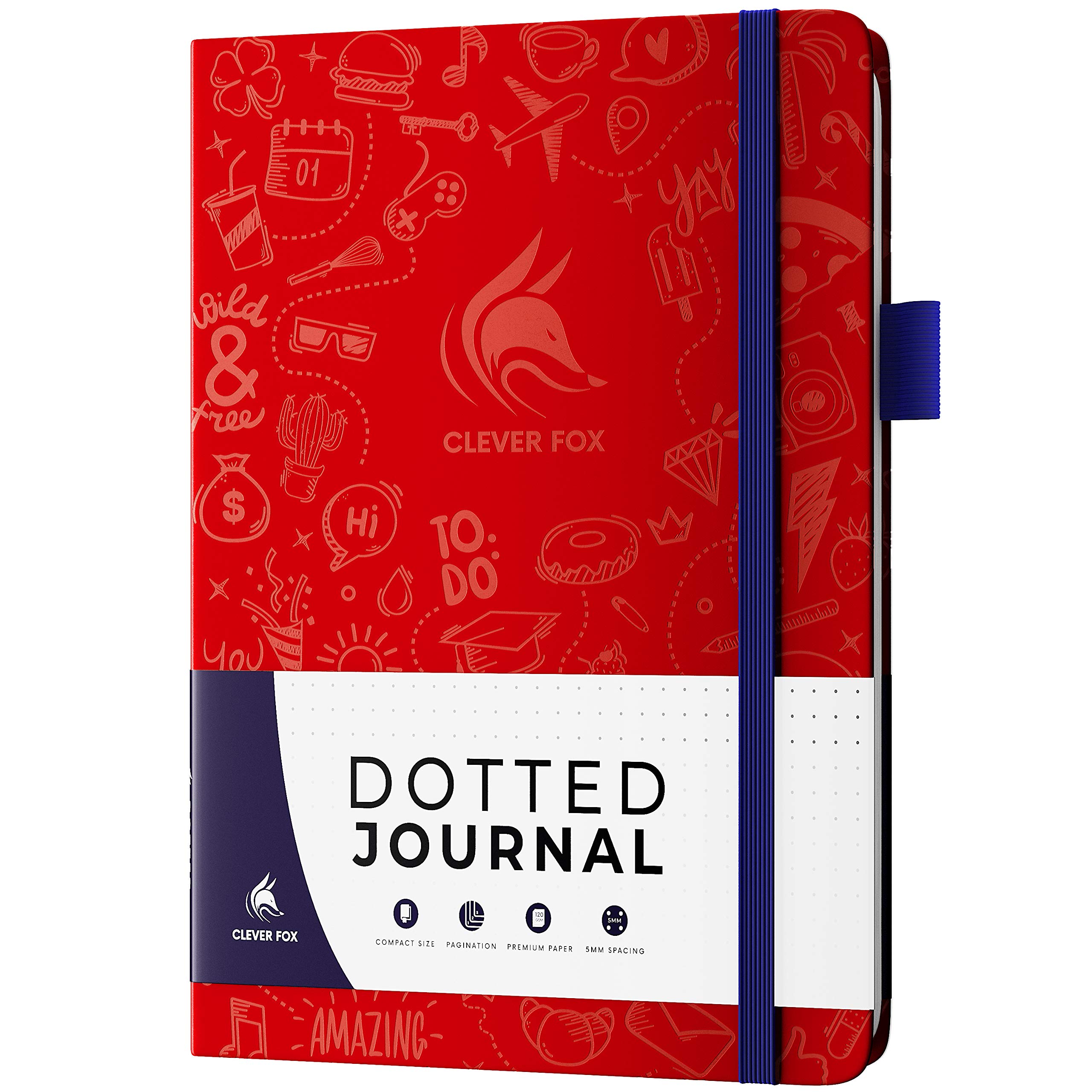
- The dot grid has 5mm spacing.
- Includes a pen loop, ribbon bookmarks, and a pocket.
- Numbered pages include a key and index page.
Best Gift For: A learner who enjoys organizing ideas, journaling, drawing, or keeping project notes.
Phomemo D30 Label Maker with 3 Tapes
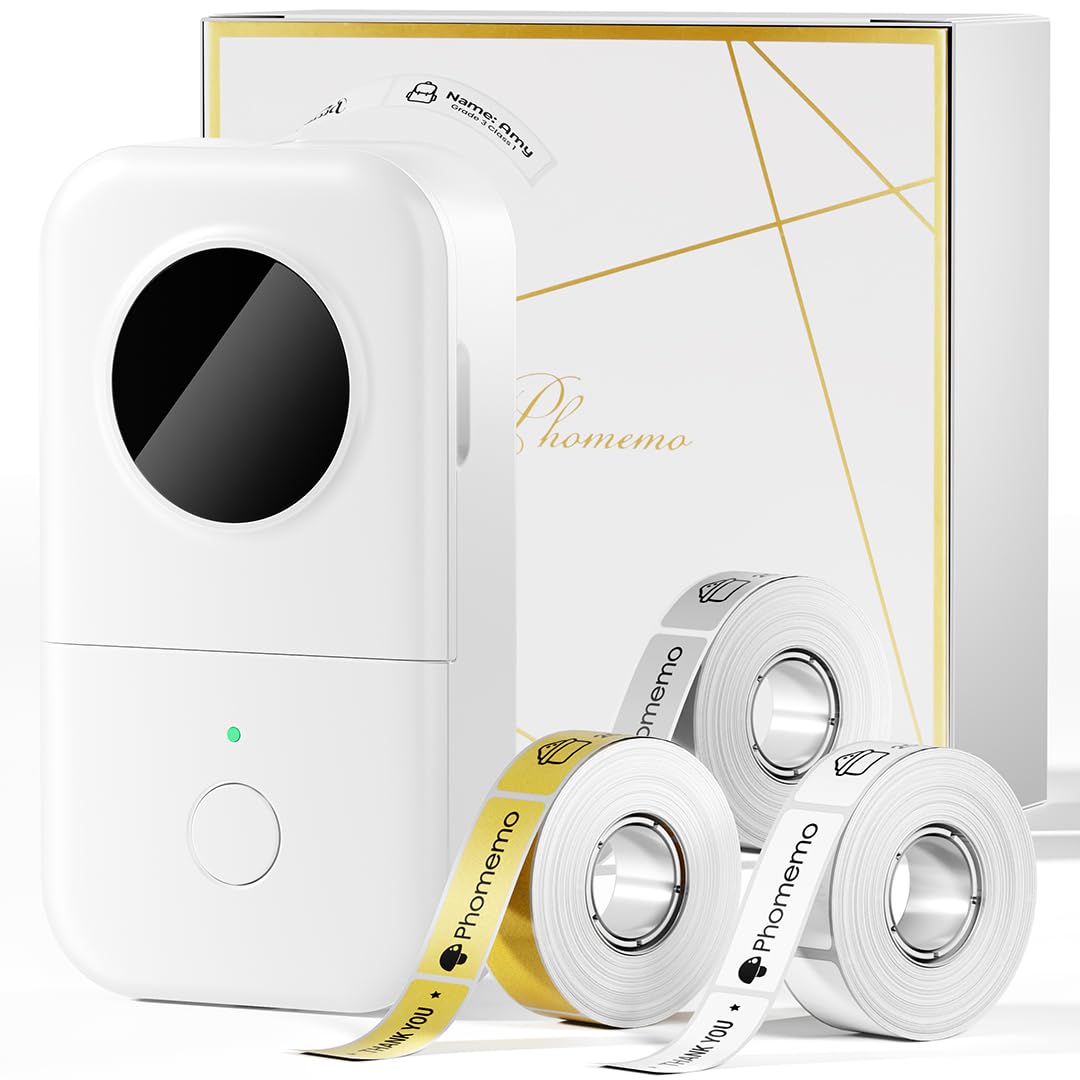
- Comes with white, gold, and clear tapes.
- Thermal printing does not require ink, toner, or ribbons.
- Create labels wirelessly from a mobile device.
Best Gift For: A student or family member who likes labeling and organizing school supplies and study materials.
VASAGLE 4-Tier Bookshelf
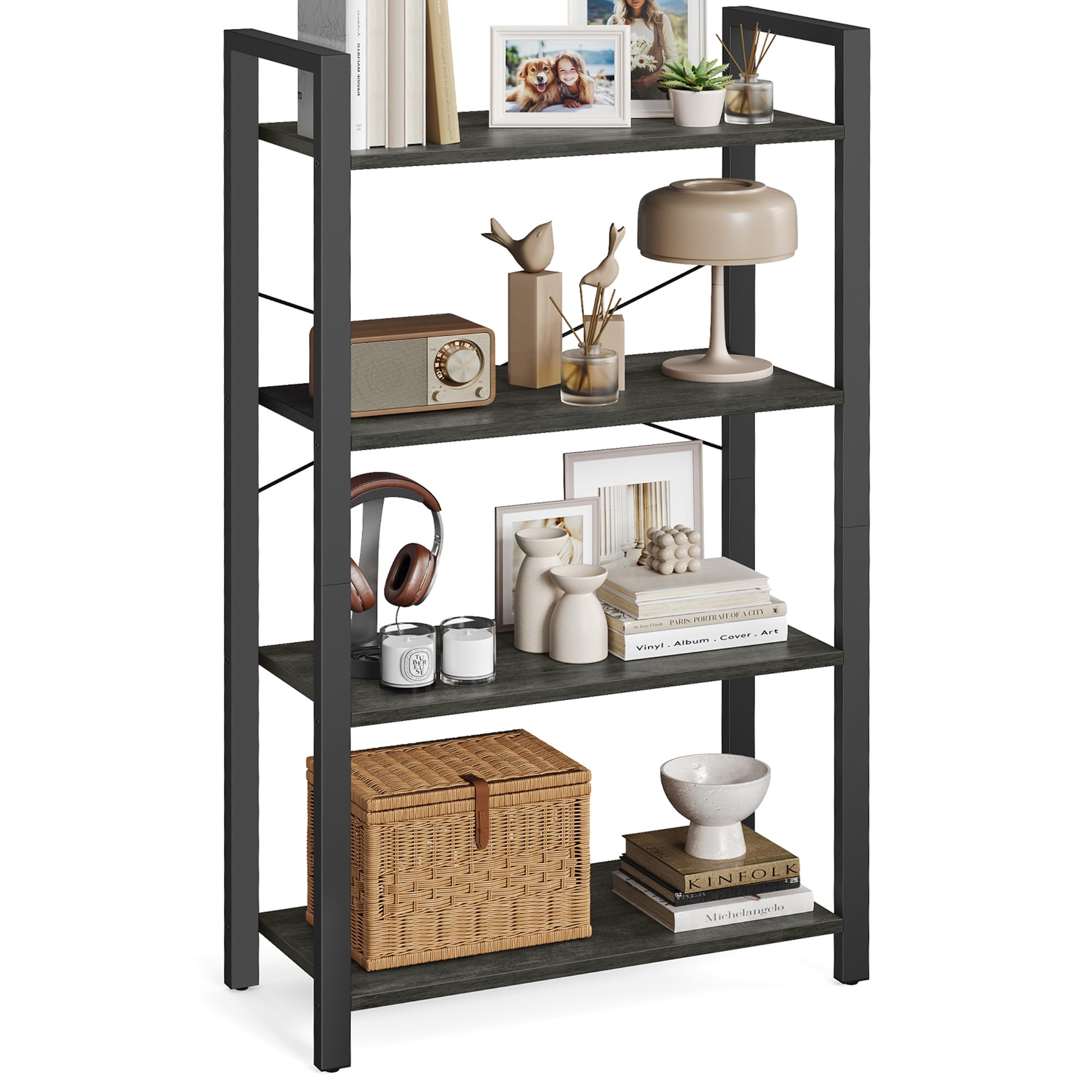
- Four tiers provide vertical storage.
- The steel frame pairs with particleboard shelves.
- Adjustable feet help balance it on slightly uneven floors.
Best Gift For: A learner or household looking to organize books and study materials in a compact space.
Start with the learner: gifts for people who love learning under 50
For gifts for people who love learning under 50, begin with the recipient’s age and the kind of discovery that keeps them engaged. A young dinosaur fan may enjoy a hands-on excavation and matching activity, while a child who likes building may prefer magnetic pieces or a robot-making set.
Choose the level of adult involvement that fits the household, too.
Think about where the gift will be used. A board game invites shared play, while a microscope or math practice tool may fit shorter individual sessions.
For a budding reader or note taker, a journal can give ideas and observations a home. Match the gift to an existing interest so it feels like an invitation to explore rather than another task.
Check age guidance and setup needs before choosing. Some gifts call for batteries or adult help, while a storage or furniture choice should fit the intended space.
If the child already has compatible building sets, consider whether an additional set can connect with what they own.
Balance cost with how the gift will be used
A modest budget can still cover a gift that gets used repeatedly. Compare whether the child is likely to return to a single activity, use a tool as part of a routine, or share a game with others.
A gift that suits regular play may feel more rewarding than one that is impressive but rarely fits the family’s schedule.
Think about the full setup before buying. A microscope may need batteries, and a label maker may lead to interest in additional tape styles; check what is included and what might be needed separately.
For furniture or storage, compare the product dimensions with the available space and consider assembly effort.
If you are choosing between two ideas, ask a caregiver which interests are current and what the child already owns. That small check can help avoid duplicates and surface practical preferences, such as quiet activities for travel or materials that are easy to put away.
Check actual prices before ordering, since they can change.
Personalize gifts for people who love learning under 50
For gifts for people who love learning under 50, a personal touch can connect the object to the recipient’s curiosity. Pair a dinosaur activity with a handwritten note inviting the child to choose a favorite discovery, or add a bookmark to a journal with a prompt to record a new question each week.
Keep the note warm and specific to what they like.
Presentation can set up the first use. Put a game near a family game-night invitation, or wrap a building activity with a simple card suggesting a first creation.
For a notebook or organization tool, include a few blank labels or a page with ideas for a learning corner, as long as any extras suit the recipient.
Consider whether the gift is meant for independent use or shared time. A caregiver may appreciate knowing what setup is involved, while an older sibling or relative could be invited to join the activity.
A thoughtful introduction helps make learning feel relaxed and gives the child room to take the activity in their own direction.
Choose for the moment and the household
A gift can support a specific season in a child’s learning. Early learners often enjoy concrete play that lets them sort, build, match, or ask questions out loud.
Older students may appreciate a way to practice skills, sketch ideas, or keep track of projects. Focus on the kind of activity that feels enjoyable to the recipient now.
For families with limited room, consider how easily an activity can be stored after use. A compact game or notebook may tuck away quickly, while larger furniture needs careful planning around space and assembly.
If shared play is the goal, think about how many people can join and whether the household has a convenient place to play.
Gifts for curious children can also suit different temperaments. An energetic child may prefer an active, hands-on challenge, while a quieter learner might like observing samples or writing down discoveries.
Ask a caregiver which format tends to hold attention, especially if the gift is for a child you do not see often.
Last-minute checks before ordering
When time is short, start by confirming the recipient’s age, interests, and any compatibility needs. Check current product details for included components, batteries, dimensions, or supplies that may be sold separately.
Those quick checks make it easier to choose a gift that is ready to use and appropriate for its intended setting.
Review delivery estimates at checkout and leave room for changes, especially around holidays or busy school periods. If timing is uncertain, a printable note explaining the activity you chose can make a useful placeholder, with the physical gift to follow.
Avoid promising an arrival date until the order details are clear.
For a simple fallback, choose something easy to wrap and explain: a game for shared time, a journal for ideas, or a small activity centered on a known interest. Keep the presentation neat and include a short note about why you thought of the recipient.
The care behind the choice matters as much as the package.