Learning can happen through a shared game, a close look at a tiny detail, or a fresh way to organize ideas. These picks bring together playful discovery and practical tools for curious people at different ages.
For a gift that feels personal, consider what the recipient already likes to explore and how they enjoy learning: by building, experimenting, reading, writing, or talking things through.
10 Gift Ideas for Curious Learners
Rich Dad CASHFLOW Educational Board Game
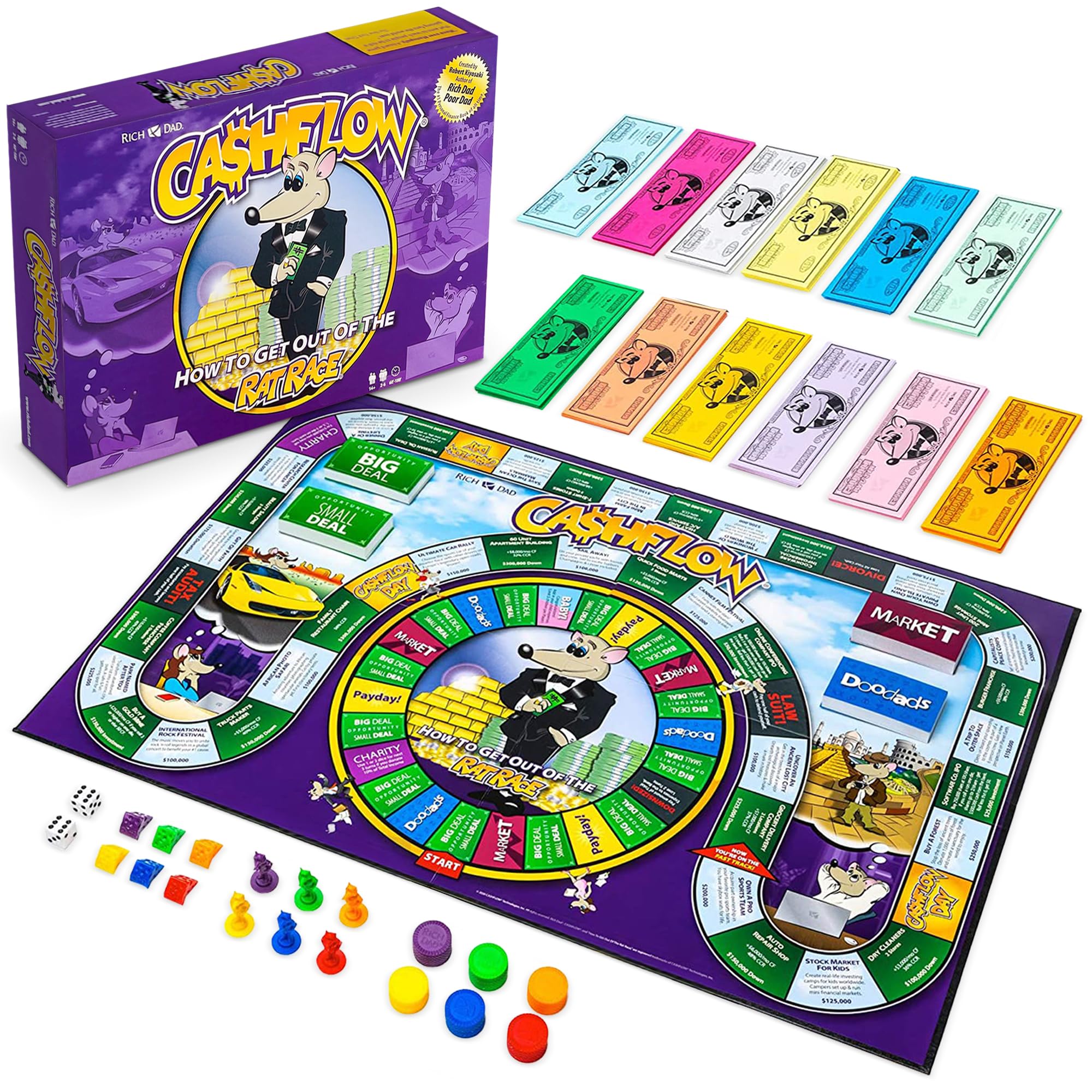
- Turns topics like stocks and saving money into a board game activity.
- Designed for up to six players, making it a group option for family game night.
- Recommended for players 14 years and up.
Best Gift For: Families and older teens who enjoy learning about money through a shared game.

TOMLOV DM9B Digital Microscope, 16GB
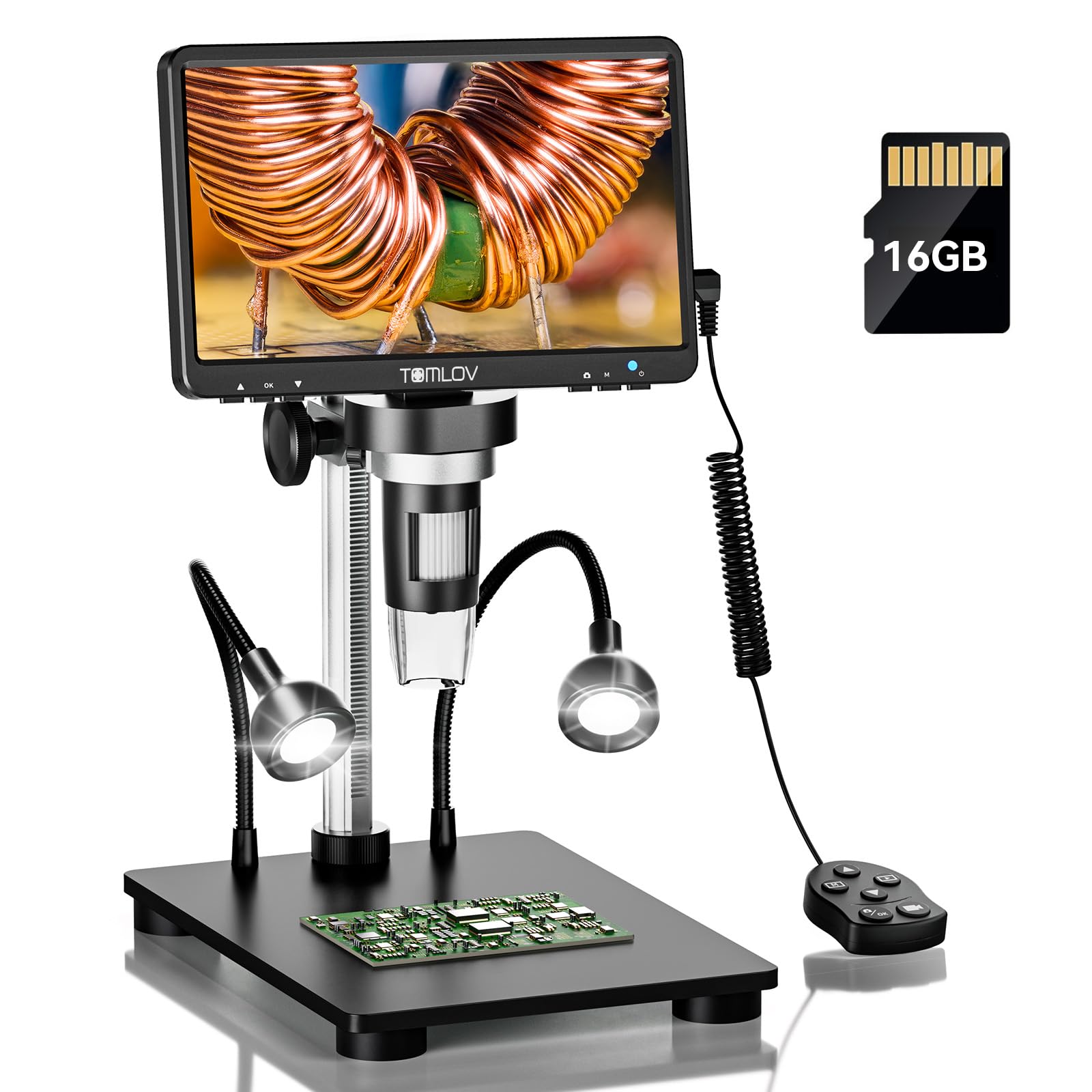
- A rotatable screen lets viewers adjust their angle while observing.
- Can connect to a compatible Windows or macOS computer for a larger view.
- Includes a Micro SD card for storing photos and videos.
Best Gift For: Adult collectors, students, or families who like exploring small details together.
Dan&Darci Dig a Dozen Dino Egg Kit
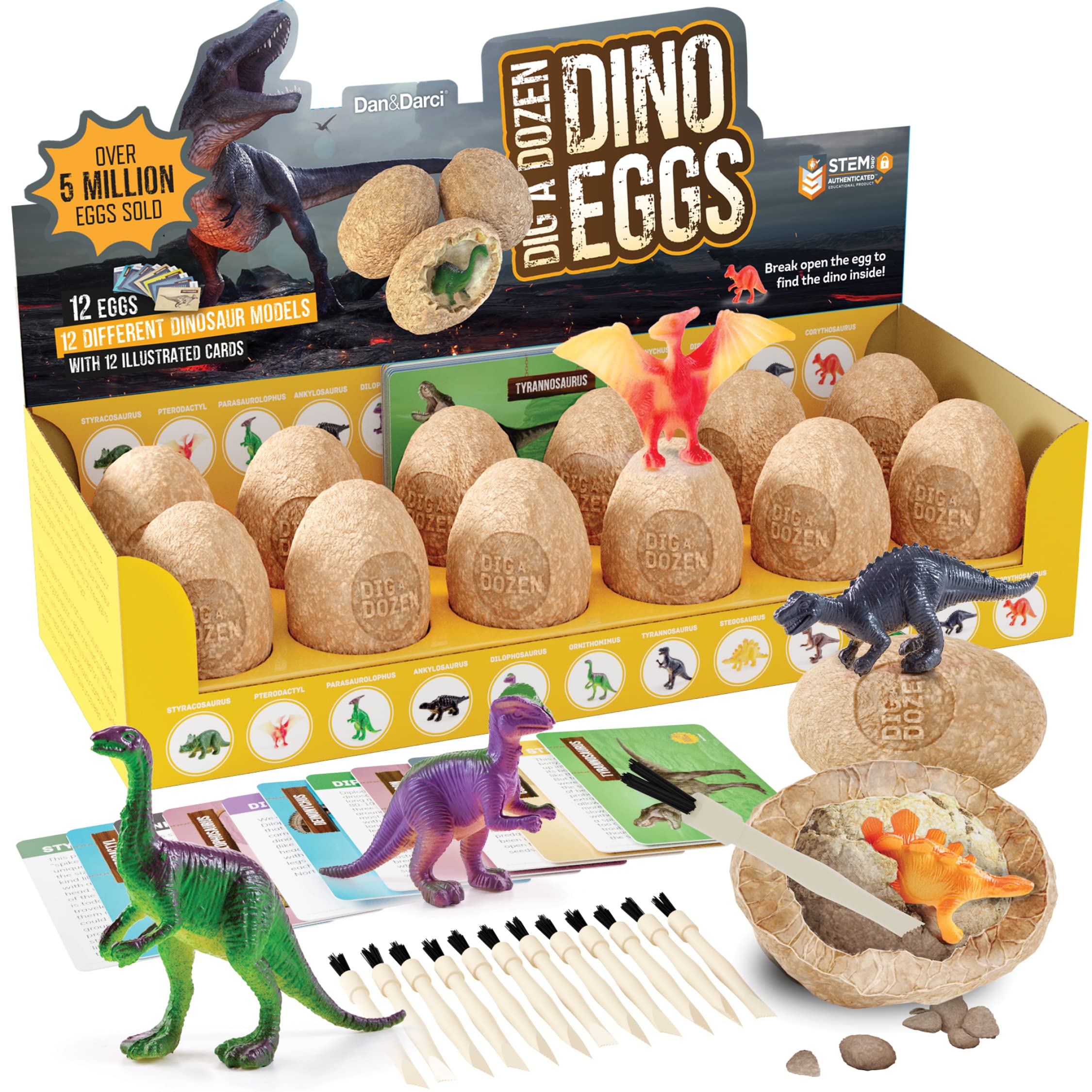
- Each egg contains a toy dinosaur to excavate.
- Includes a chisel and brush for each egg.
- Learning cards describe the history of each dinosaur.
Best Gift For: Children who enjoy dinosaur discovery and hands-on science activities.
Learning Resources 1-2-3 Build It Robot Factory

- Children can create their own imaginative robot designs.
- The activity supports early engineering and critical thinking.
- The pieces are made for small hands to handle.
Best Gift For: Young children ready to practice building and early engineering skills through imaginative play.
Learning Resources Minute Math Electronic Flash Card

- Offers practice with addition, subtraction, multiplication, and division.
- Timed challenges make math practice game-like.
- A silent mode suits quiet practice in shared spaces.
Best Gift For: Students practicing arithmetic at home, in a classroom, or while traveling.
SmartMax My First Dinosaurs Magnetic Building Set
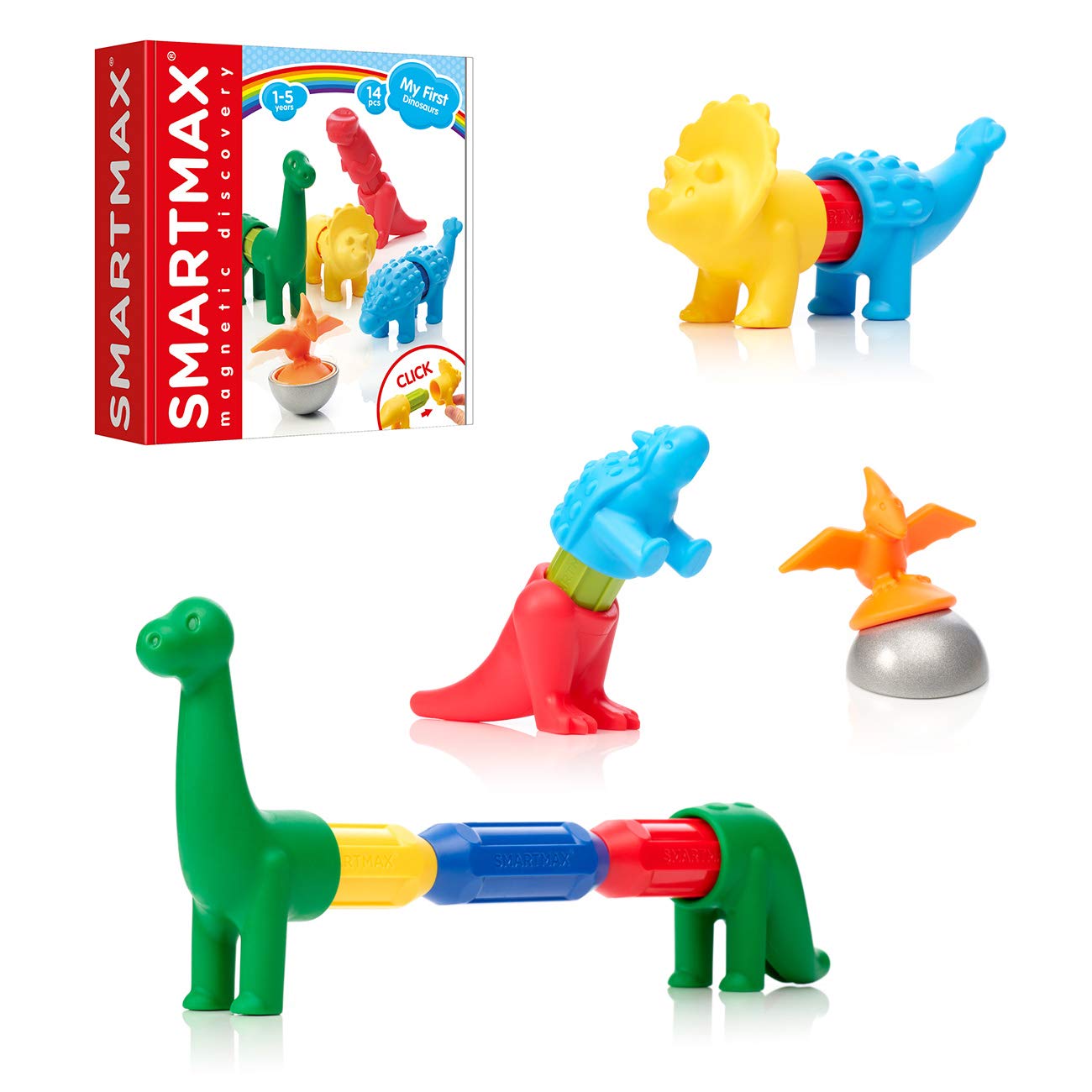
- Children can build dinosaurs or mix and match pieces for their own creations.
- Large magnetic pieces are designed for little hands.
- Pieces can be combined with other SmartMax sets.
Best Gift For: Young children beginning to explore building, magnetism, and problem-solving.
Clever Fox Large Undated Weekly Planner
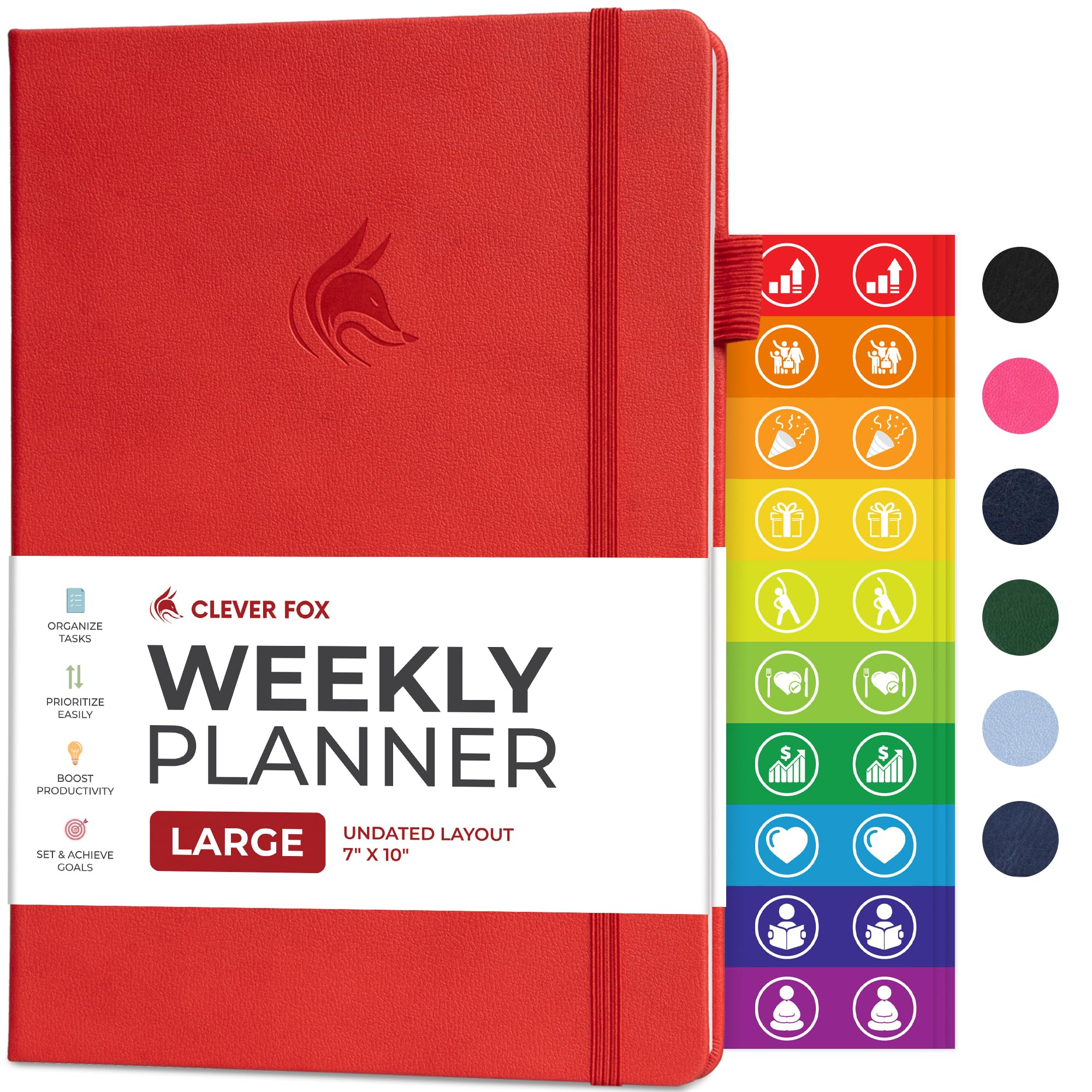
- Undated pages let the recipient start at a time that suits them.
- Includes a user guide and colorful stickers.
- Its large format provides space for writing plans.
Best Gift For: Students or adults who like turning longer-term goals into a regular planning routine.
PILOT G2 Green Ink Fine Point Gel Pens, 12-Pack
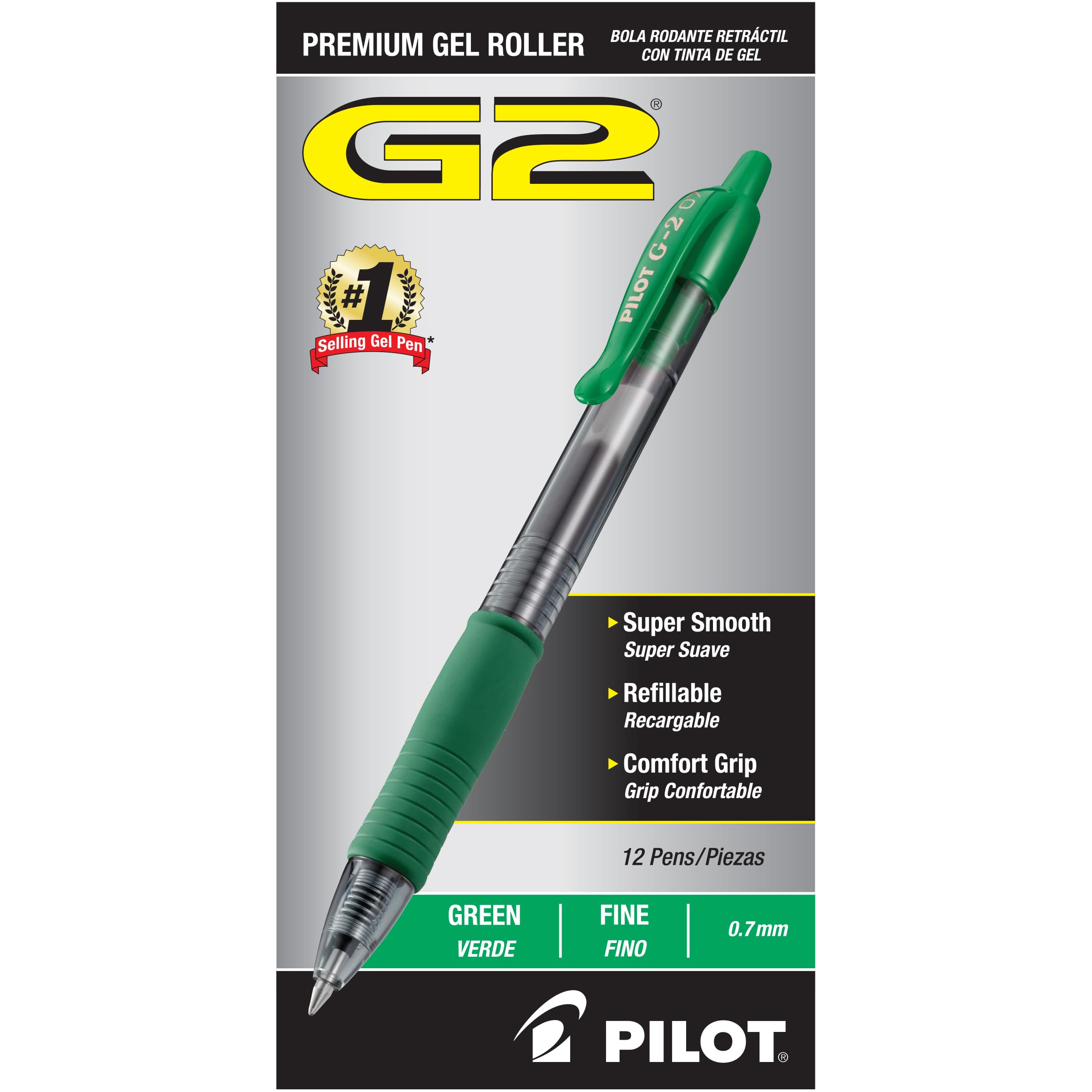
- The green ink is quick-drying to help prevent smudges.
- A contoured rubber grip supports longer writing sessions.
- The pack contains a dozen pens.
Best Gift For: Students, teachers, and lifelong learners who like organizing notes with color.
Whitelines Graph Notebooks, 3-Pack

- The pack includes three spiral notebooks with graph paper.
- Each notebook has 70 sheets of graph paper.
- The app removes the page background from a captured note or drawing.
Best Gift For: Learners who take handwritten notes or draw and may want to share digital copies.
SKYDUE Rotating Desk Organizer with 5 Slots
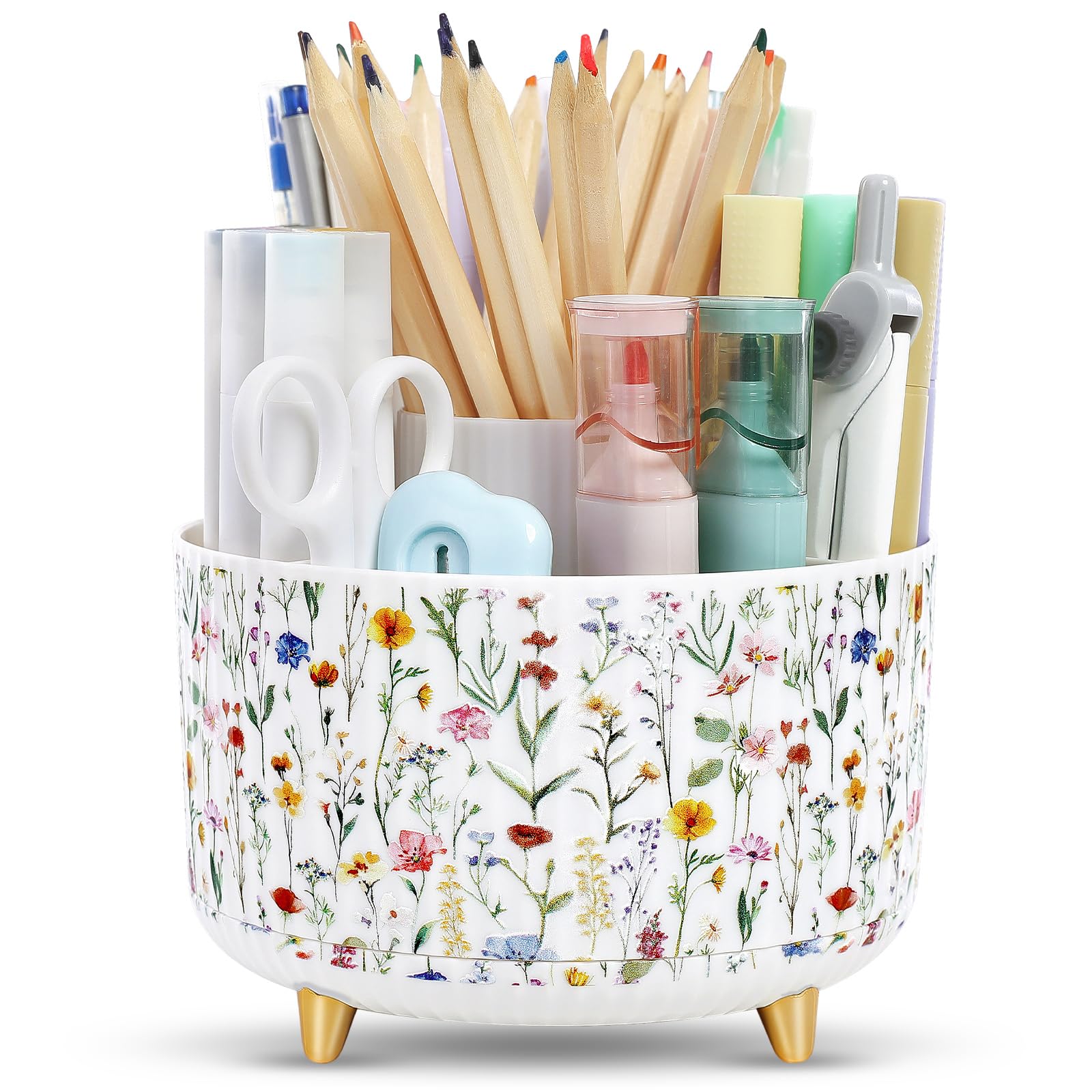
- Five compartments provide a place for desktop supplies.
- The holder rotates for easier access to writing tools.
- It can also hold art supplies or markers.
Best Gift For: Learners who want pens and small supplies close at hand in a home or study space.
Choosing gifts for people who love learning under 100
When choosing gifts for people who love learning under 100, start with the recipient’s age, interests, and preferred way of exploring an idea. A child who learns by handling pieces may prefer building or excavation, while an older learner who likes discussion might enjoy a game that gives everyone a shared topic.
Think about when the gift will be used. A hands-on activity can suit a quiet afternoon or a family gathering, while study tools may fit naturally into homework, reading, or personal projects.
If the recipient is new to the subject, an inviting activity can make it easier to begin.
Consider the space and company the gift needs. A game works best when people can gather around it; a microscope or desk accessory needs a suitable surface.
For a learner who enjoys working independently, a planner or notebook may be easier to use at their own pace.
Balance budget and usefulness
Set a comfortable budget before choosing, then compare what each gift enables the recipient to do. A compact activity can feel complete on its own, while a more involved learning tool may suit someone with an established interest.
Check actual prices as you shop, since prices can change.
Include practical considerations in that comparison. Check dimensions for the intended workspace, age guidance for a child, and whether the recipient has compatible devices when a product connects to a computer or uses an app.
Those details can matter more than adding extra features the recipient may not use.
A small companion item can make a practical gift feel more personal, but avoid buying add-ons before confirming what the main gift needs. For school supplies, the recipient may appreciate a color or format they already use.
For an activity gift, a note proposing time together can add meaning without changing the budget.
Personalize gifts for people who love learning under 100
For gifts for people who love learning under 100, personalization can come from connecting the gift to a current question or interest. A dinosaur fan might enjoy a note inviting them to compare discoveries, while someone planning a new study routine could receive a short message celebrating a goal they care about.
Presentation can reinforce that thought. Wrap an activity with a simple prompt such as “What will you investigate first?” or pair a notebook with a handwritten encouragement to save an idea worth revisiting.
Keep the message specific to the person rather than making the gift feel like homework.
If the gift is meant to be shared, say so in the card and suggest a relaxed time to try it together. If it is for independent use, let the recipient choose when to start.
A little room for curiosity often makes an educational present feel welcoming rather than prescriptive.
Make a thoughtful choice at the last minute
When time is short, choose something that matches an interest you already know rather than guessing at a new one. If you are uncertain about age fit, available workspace, or device compatibility, favor a flexible choice and verify the relevant details before ordering.
Read the current product information carefully.
Check delivery estimates for your address and calendar before counting on a particular arrival date. If timing is uncertain, a printed note or small wrapped token can explain the planned gift and give you a graceful way to celebrate on the day.
Avoid promising a delivery date until it is confirmed.
A last-minute gift still benefits from a clear reason behind it. Mention the recipient’s curiosity, a project they are starting, or the pleasure of learning something together.
That personal context helps the present feel chosen with care, even when the shopping window is brief.
Give curiosity room to grow
The most useful learning gift is one the recipient can approach in a way that feels natural. Some people like a structured challenge; others prefer to follow a question wherever it leads.
Let their habits guide whether you choose an activity, a tool for study, or a simple way to keep ideas organized.
Try to leave room for the gift to evolve. A child may return to a building activity in new ways, while an older learner may use writing tools across several subjects or projects.
The point is to support an existing curiosity with something they can revisit.
Before wrapping, check that the gift is complete for its intended use and that any important compatibility or size details suit the recipient. Then keep the introduction light: a brief note about why you thought of them is often enough.
A thoughtful fit matters more than making the gift feel elaborate.