From growing crystals to building robots, these gift ideas invite kids to explore science through hands-on play.
This collection includes playful picks for little learners and creative tools for older kids to record or illustrate what they discover.
7 Gift Ideas for Kids Who Love Science
Light-Up Crystal Growing Kit for Kids

- Grow red, blue, and clear crystals, then display them on the included LED stand.
- The kit includes three growing cups, crystal starters, powder bags, and a mixing stick.
- An illustrated guide explains how crystals form.
Best Gift For: A curious young scientist who enjoys growing and displaying crystals.

TOMLOV 4K Autofocus Microscope TM4K-AF Max
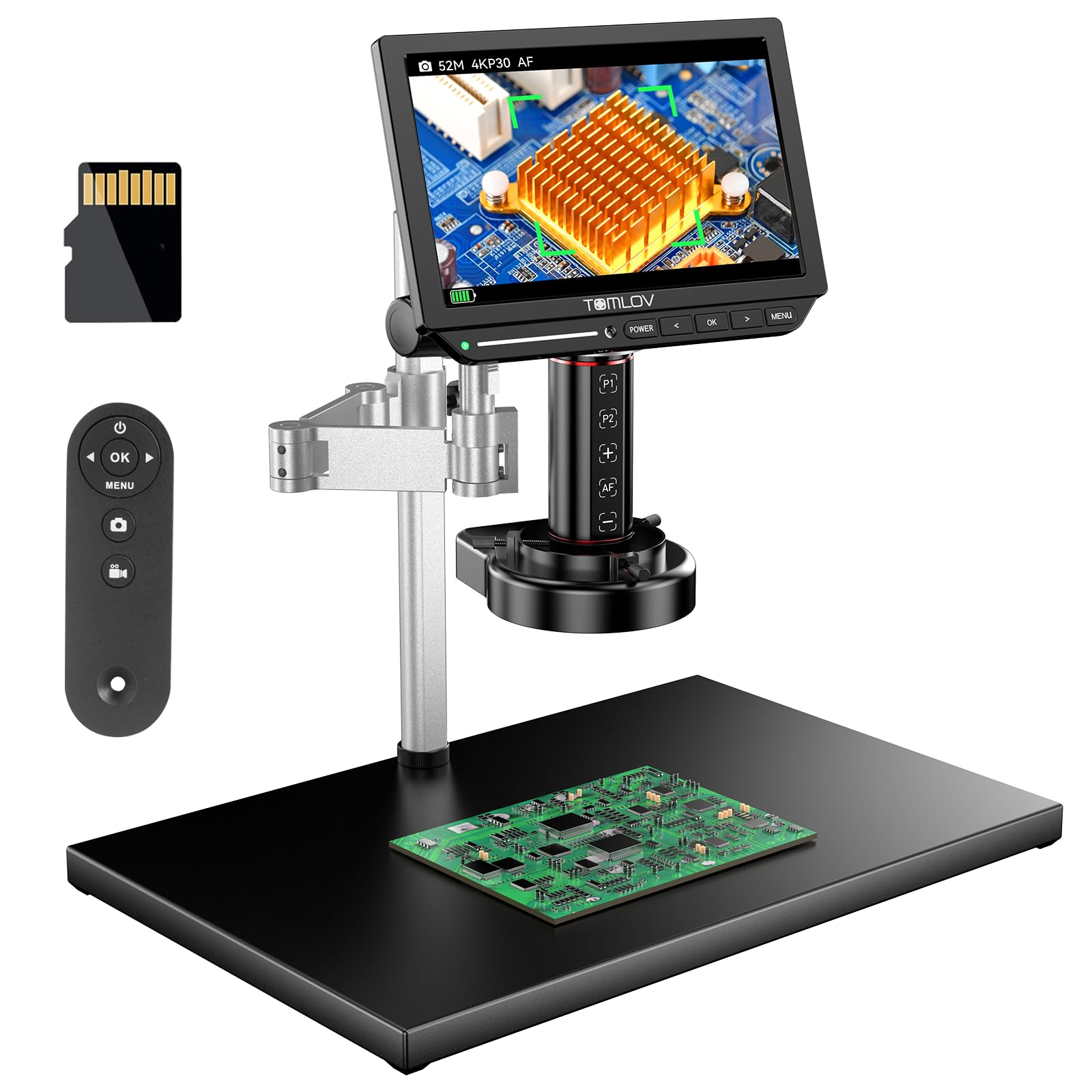
- View observations on the 10.1-inch IPS screen.
- The microscope supports 4K UHD video and 52MP images.
- A 16G SD card supports recording and storage.
Best Gift For: An older science enthusiast interested in close-up observation, teaching, or research.
SmartMax My First Farm Tractor Magnetic Building Set
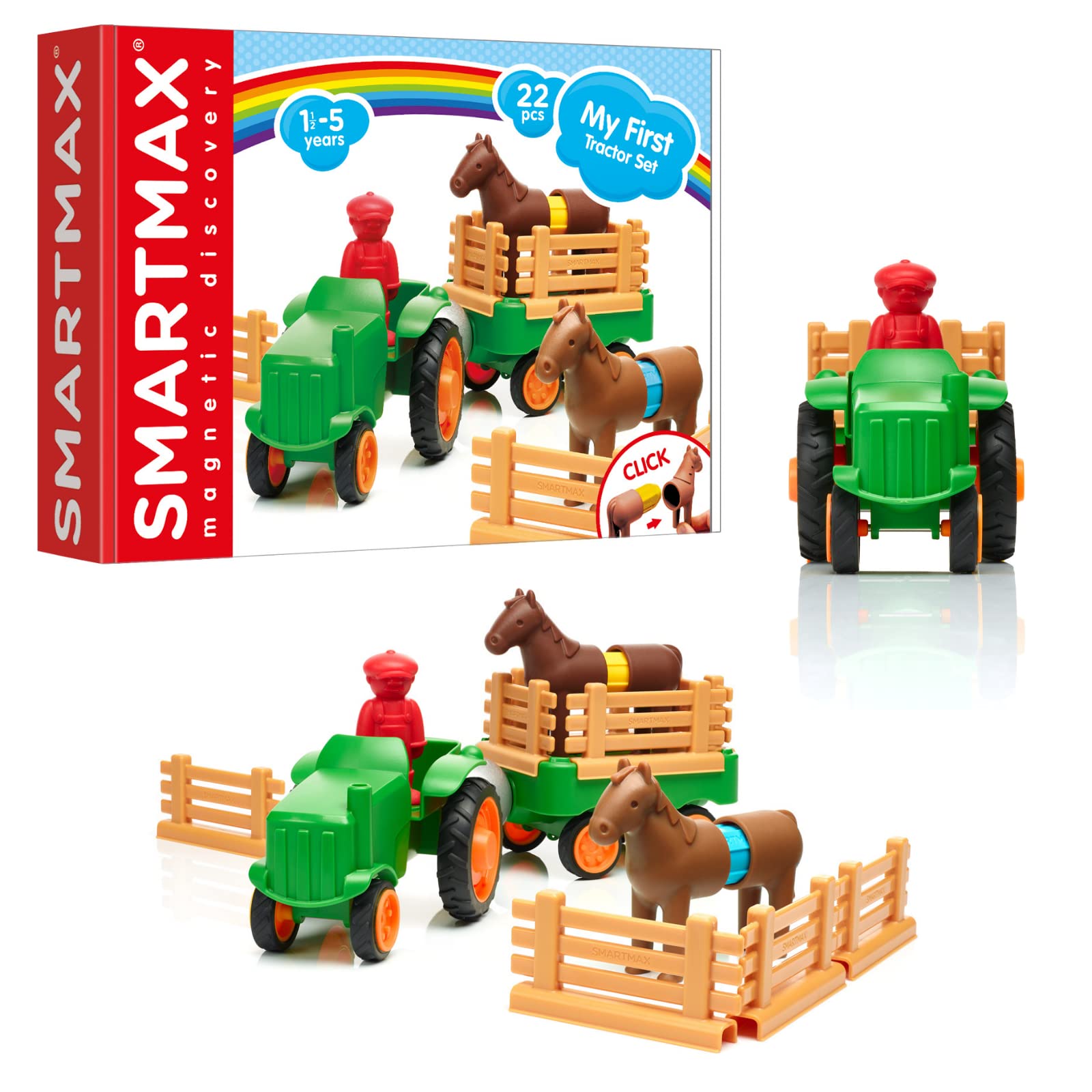
- Colorful magnetic pieces let kids build a farm tractor.
- Large magnetic bars and tractor components are made for little hands to manipulate.
- The set includes 18 colorful pieces.
Best Gift For: A young learner ready for hands-on building and an early introduction to magnetism.
Learning Resources 1-2-3 Build It Robot Factory

- Kids can create their own imaginative robot designs.
- Easy-to-handle pieces support fine motor practice during building.
- It works with other sets in the same 1-2-3 Build It! range.
Best Gift For: A toddler who likes making imaginative creations while developing early engineering skills.
Learning Resources Super Sorting Pie
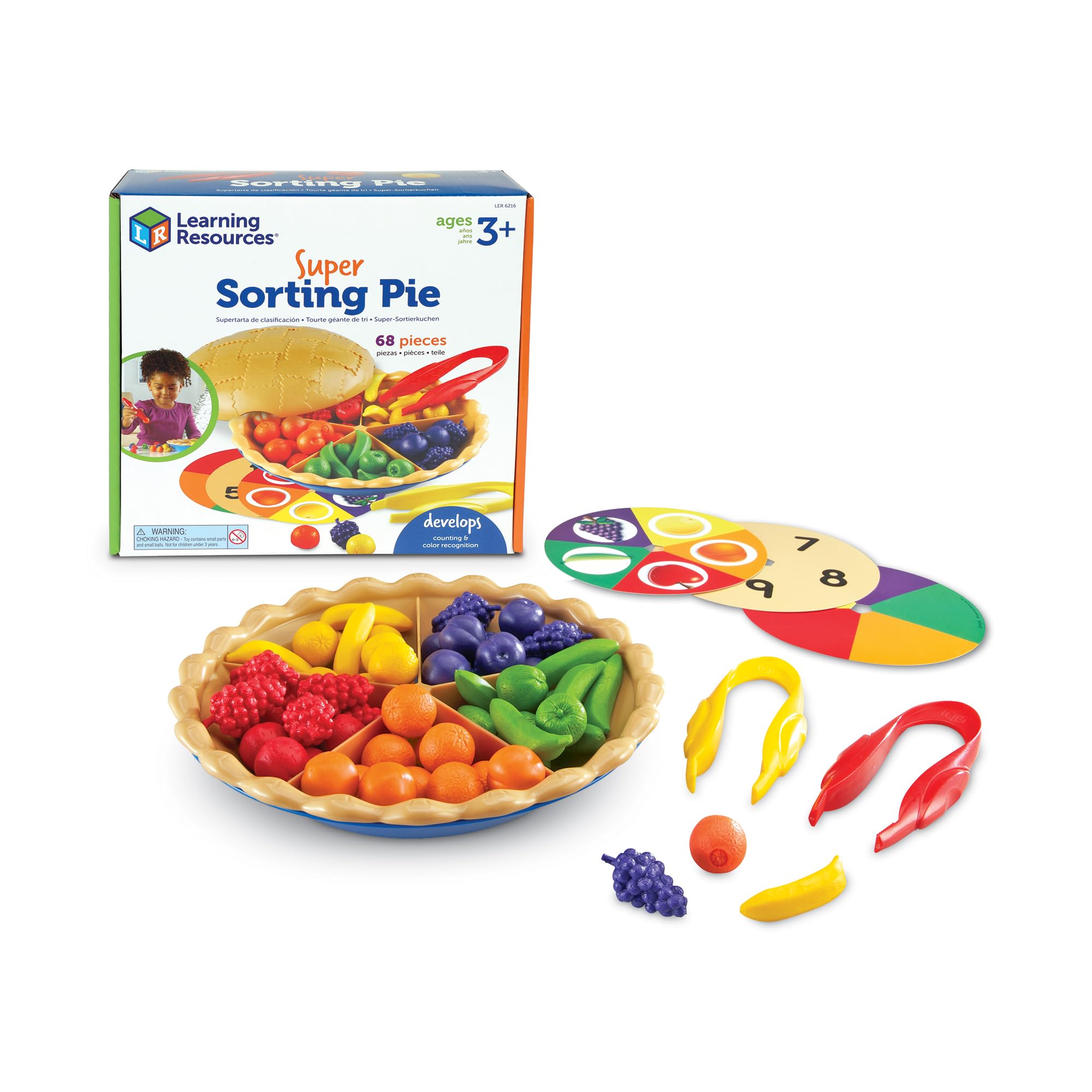
- The activities practice counting, sorting, and color recognition.
- Colorful fruit counters, sorting cards, and a divided pie plate provide hands-on activities.
- The pieces store inside the pie for cleanup.
Best Gift For: A preschool learner who enjoys sorting, counting, and playing alongside someone else.
U.S. Art Supply 9×12 Sketch Books, 2-Pack
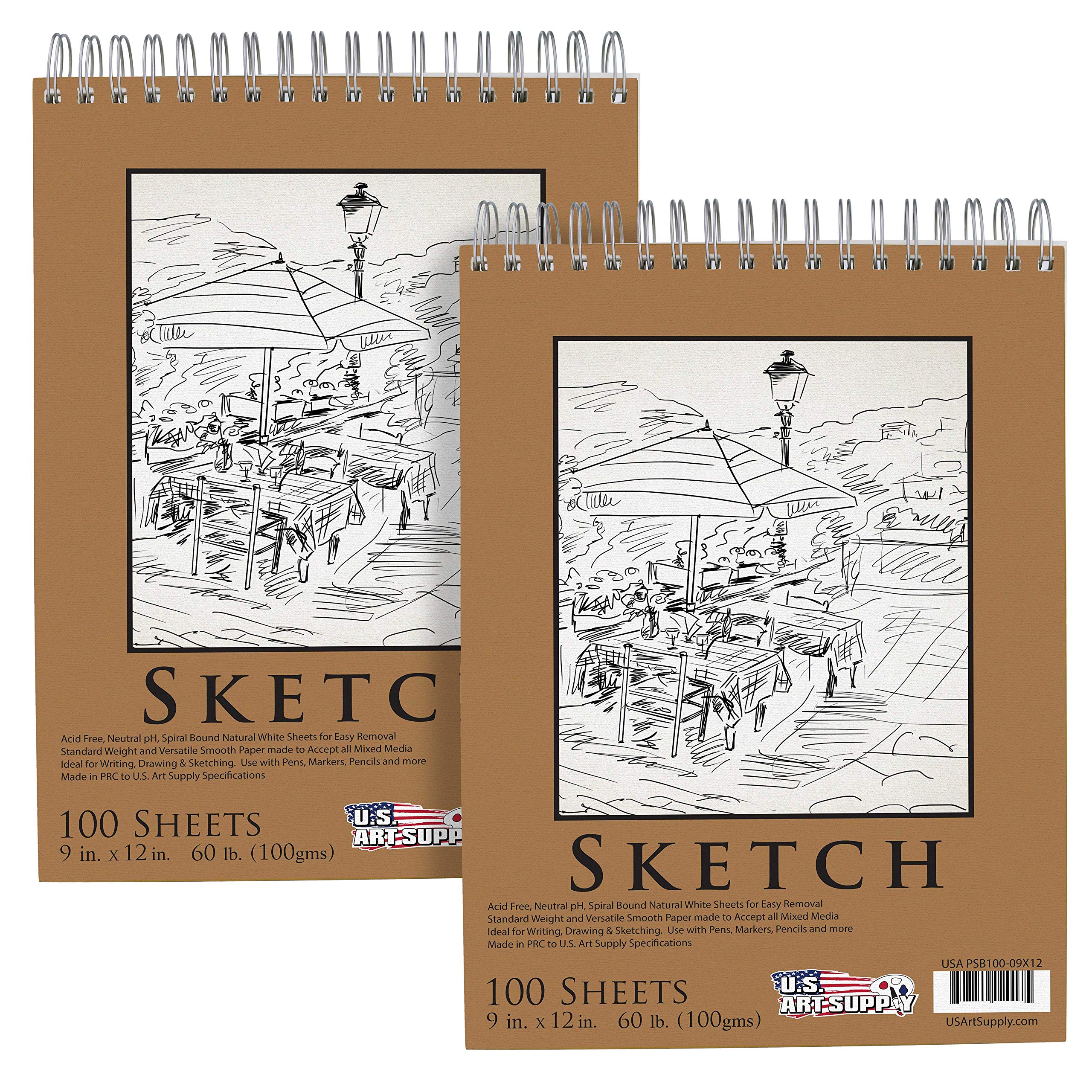
- The 2-pack contains 200 sheets in total.
- The acid-free paper is suitable for many dry media.
- Top spiral binding makes turning pages easy.
Best Gift For: A young observer who likes drawing, writing, or sketching ideas and discoveries.
Primrosia 60 Dual Tip Marker Pens
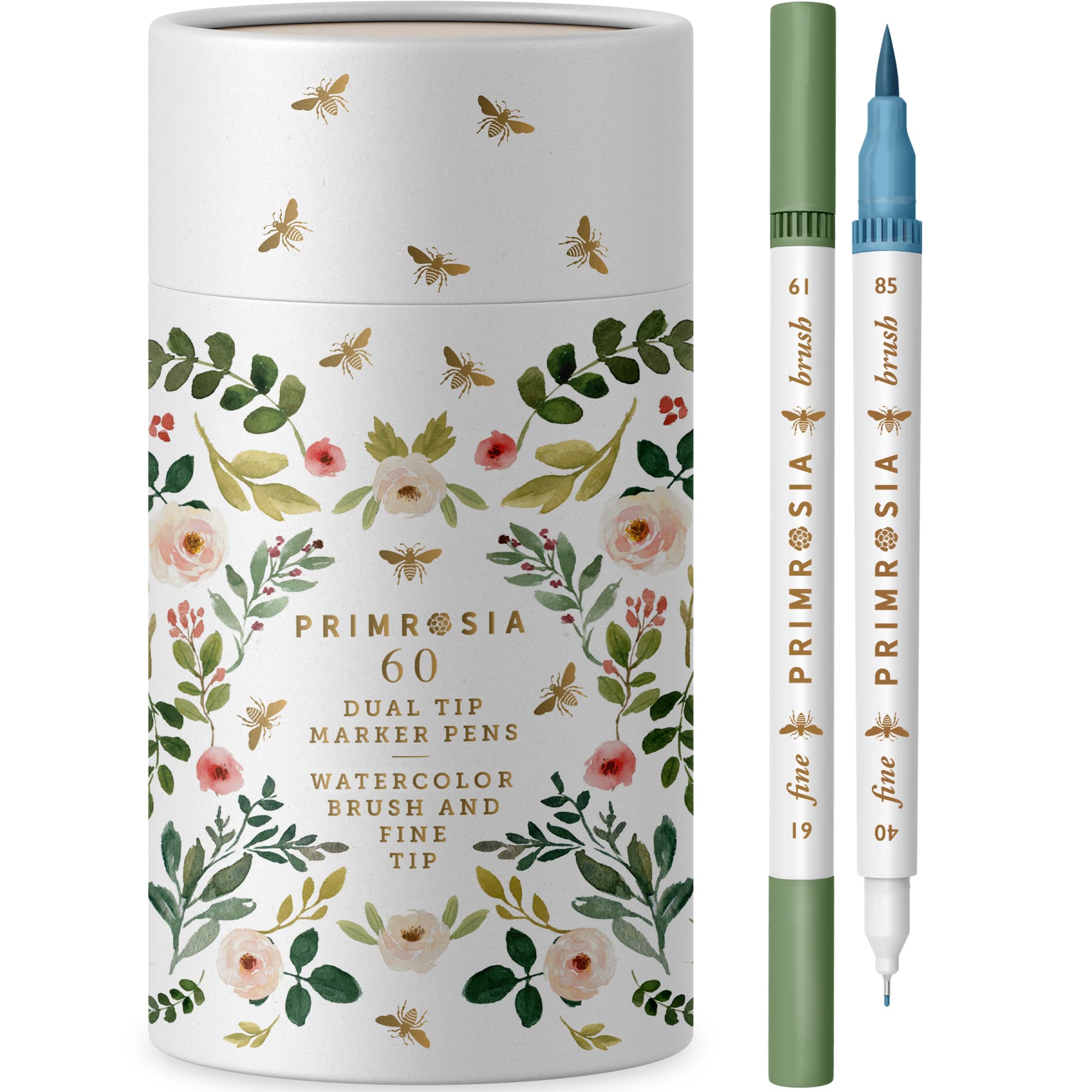
- Each marker has a brush tip and a fineliner for outlines and details.
- The set offers 60 colors.
- Add water over the ink on smooth or medium watercolor paper (180–300 gsm) for a watercolor effect.
Best Gift For: A science-loving child who enjoys adding color and detail to drawings or project notes.
1. Match gifts for kids who love science to how they explore
For gifts for kids who love science, start with the kind of discovery that holds the child’s attention. Some children like watching a change unfold, while others learn through building, sorting, or drawing.
A hands-on activity can make a birthday afternoon feel like an invitation to investigate.
Think about the child’s age, patience, and the kind of help they enjoy. A younger child may prefer simple pieces to handle with an adult nearby, while an older child may be ready to observe details or keep a record of experiments.
Choose something that fits their current interests and the time they have for it.
Consider where the gift will be used, too. A shared family activity can work well at a table with room to spread out; a building toy or sketchbook may suit shorter play sessions.
Before buying, check the current product details and dimensions, and consider whether any extra supplies are needed.
2. Balance budget and how often it will be used
A thoughtful science gift can be a compact activity, a building set, or a larger piece of equipment. Set a comfortable budget first, then compare the kind of play it offers and whether the child is likely to return to it.
A modest gift that fits an existing interest may be more welcome than an ambitious item that feels difficult to use.
For a group celebration, a smaller set can be paired with a handwritten note suggesting a time to explore it together. If you are considering a more substantial purchase, think about who will help set it up and whether the child has a suitable place to use it.
Check actual prices and current product information before deciding.
When shopping across gift ideas, include practical costs such as paper or other compatible supplies only when the product details confirm they are needed. This keeps the total in view without assuming that add-ons are included.
Qualitative budget planning also leaves room for choosing a gift the child can enjoy at their own pace.
3. Add a personal touch to gifts for kids who love science
For gifts for kids who love science, a personal note can turn a useful activity into a memorable invitation. Write a question on the card—such as what they think they might discover—or suggest that they draw or describe what they notice.
Keep the prompt open-ended so the child can follow their own curiosity.
Presentation can hint at the activity inside. Wrap a creative set with a blank card for the child to sketch on, or add a simple label inviting them to build, observe, or sort together.
Check what is actually included before adding themed extras, so the wrapping idea does not suggest supplies that are missing.
If the gift is for a sibling or friend group, consider whether they can take turns or work side by side. A small shared moment, such as setting up a place to draw or compare observations, can make the present feel personal without needing elaborate packaging.
Let the child decide what they want to explore first.
4. Make a considered choice among gifts for kids who love science
There is no single right kind of science gift for every child. A child fascinated by living things may respond to observation, while another might prefer patterns, color, or making a model.
Choose from the selected ideas by matching the activity to an interest the child has already shown, and leave room for their curiosity to change.
Check compatibility and dimensions for any item that needs a screen, power source, workspace, or particular materials. For creative supplies, make sure the paper or other materials suit the intended use by checking current product information.
For a younger recipient, consider whether an adult should help with setup and whether the activity is suited to the child’s age.
A gift does not have to teach a formal lesson to encourage scientific thinking. Building, noticing differences, making a drawing, or asking a new question can all lead to conversation.
Choose a present that makes it easy to begin and that feels enjoyable even when the child takes the activity in an unexpected direction.
5. Last-minute buying advice
If you are shopping close to the occasion, first confirm the exact product and variant in the current listing. Then review compatibility, dimensions, included components, and delivery estimates before placing an order.
These checks matter especially when choosing equipment or materials intended to work together.
A digital gift note or a printed card can make the presentation feel complete while you check timing. You can include a personal invitation to explore the gift together, without promising a particular delivery date or assuming anything about availability.
If timing is uncertain, a simple note explaining the plan can still make the occasion feel thoughtful.
Before checkout, confirm the recipient’s age and interests, check the product details again, and make sure any needed extras are clear. A quick final review can catch a mismatched variant or an incompatible supply.
The best last-minute choice is one that suits the child and arrives on a schedule you have verified.