For a history lover, a thoughtful gift can make reading, research, or organizing a personal collection more enjoyable.
These seven ideas range from practical reading accessories to keepsakes and furniture for a growing home library.
7 Gift Ideas for History Lovers
Glocusent Rechargeable Neck Reading Light

- Choose from three color temperature modes, each with three brightness levels.
- Adjust the arms to find a comfortable angle while reading hands-free.
- Rechargeable light offers up to 80 hours of brightness for general reading with a single head.
Best Gift For: A reader who likes hands-free light for books or close-up projects.

Cross Classic Century 23KT Gold Plated Ballpoint Pen

- A slim metal body pairs with sleek, flush details.
- The writing tool has a comfortable grip and durable construction.
- Arrives in a premium gift box and is refillable.
Best Gift For: A history enthusiast who enjoys journaling, note taking, or everyday writing.
Mr. Pen Aesthetic Magnetic Bookmarks, 12-Pack
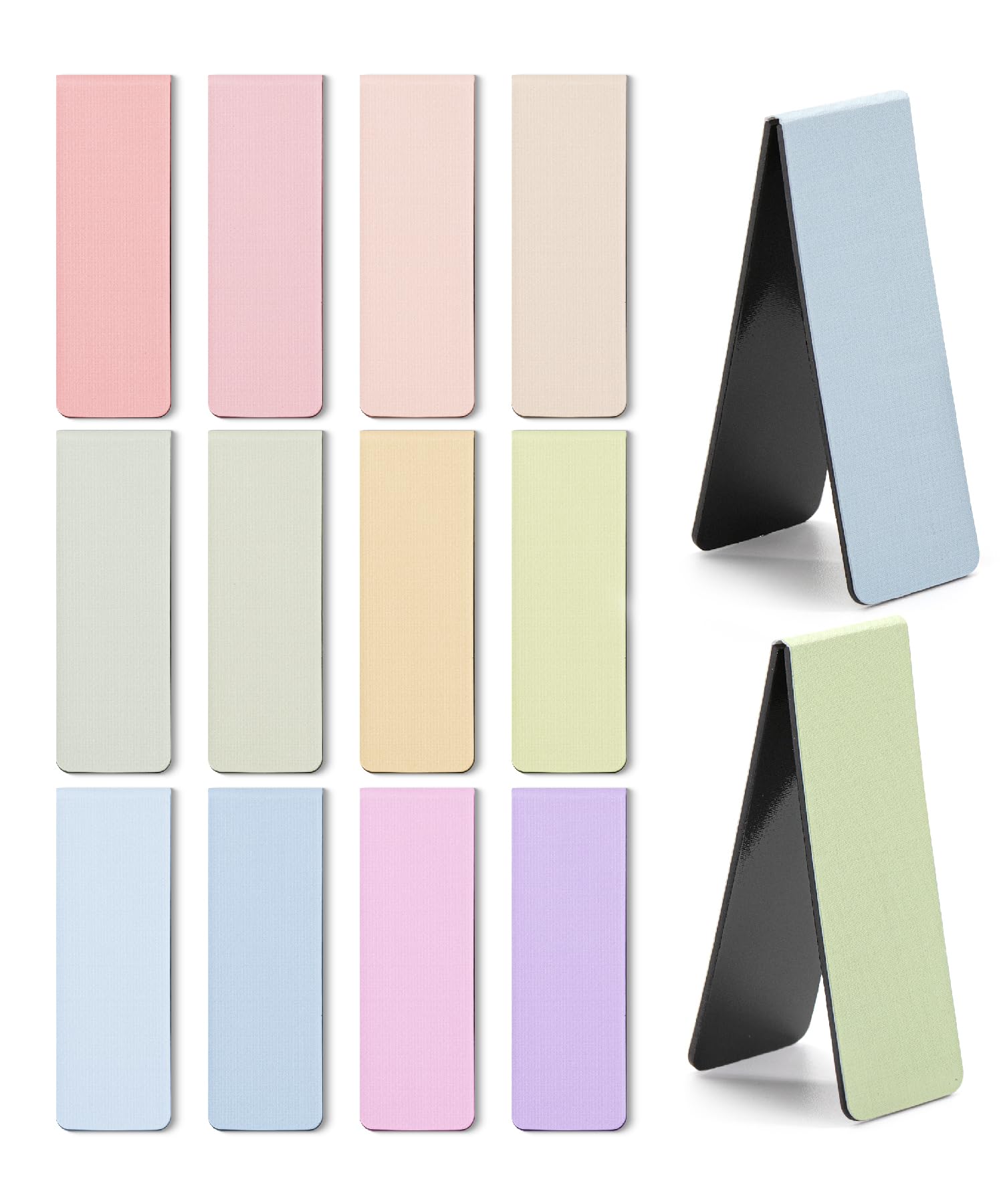
- Includes a variety of soft pastel colors for color-coding reading materials.
- Magnetic closures help the markers stay in place on a page.
- Slim bookmarks mark several pages without bulking up a book.
Best Gift For: A reader who likes to mark pages in books, planners, or study materials.
Whitelines Graph Notebooks, 3-Pack

- Three spiral notebooks have graph paper and 70 sheets each.
- The app removes the background so writing or drawing remains over white.
- Light gray paper is designed to be less tiring on the eyes than white paper.
Best Gift For: A history enthusiast who takes handwritten notes or sketches and wants to digitize them.
Mr. Pen Heavy Duty Metal Bookends, 8-Pack
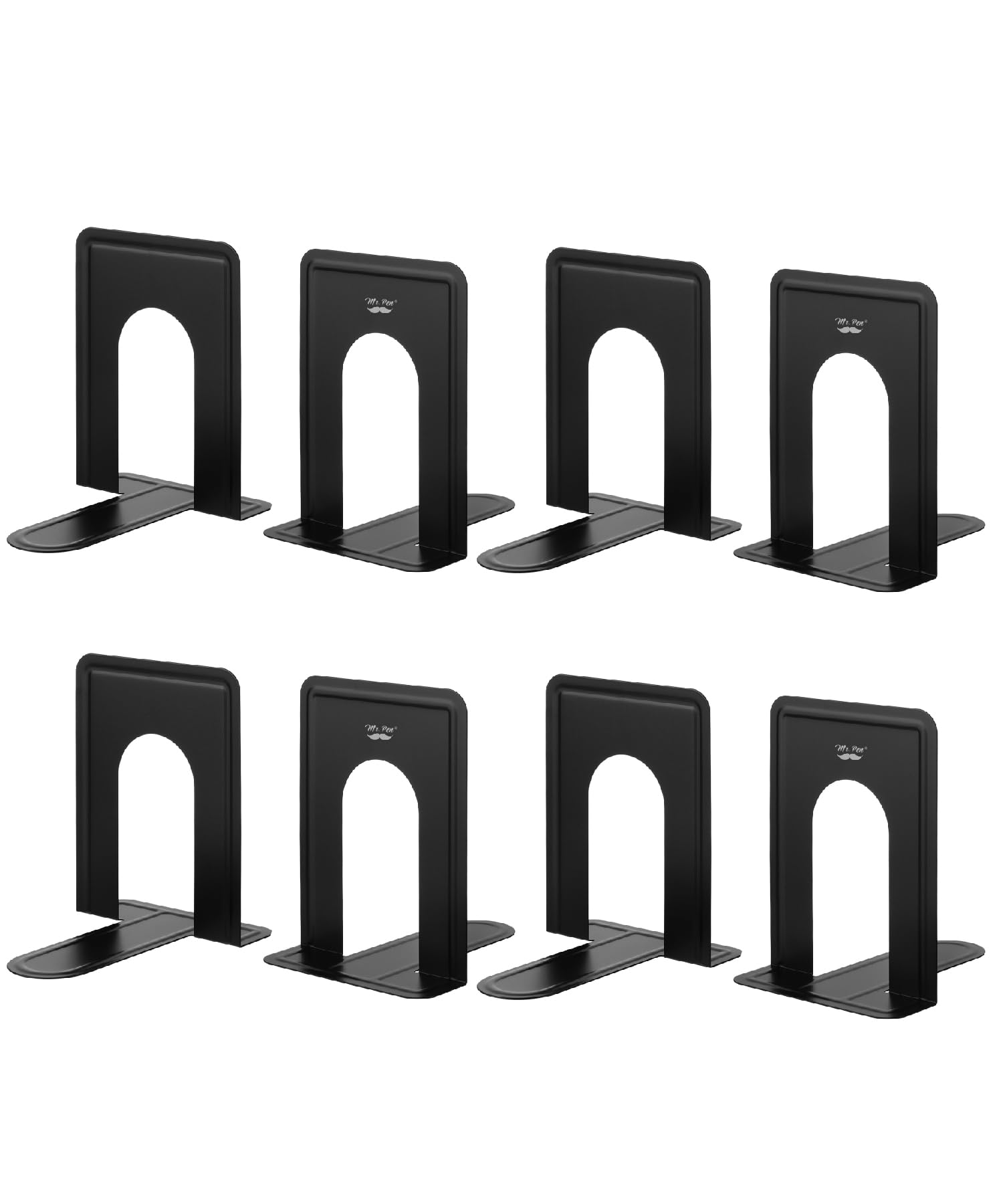
- Eight black metal bookends help organize books, files, or other shelf items.
- Heavy-duty metal supports books and helps keep them upright.
- The black finish suits home or office shelving.
Best Gift For: A history reader looking to keep books or research materials upright on shelves.
VASAGLE CUSTOS 5-Tier Bookcase
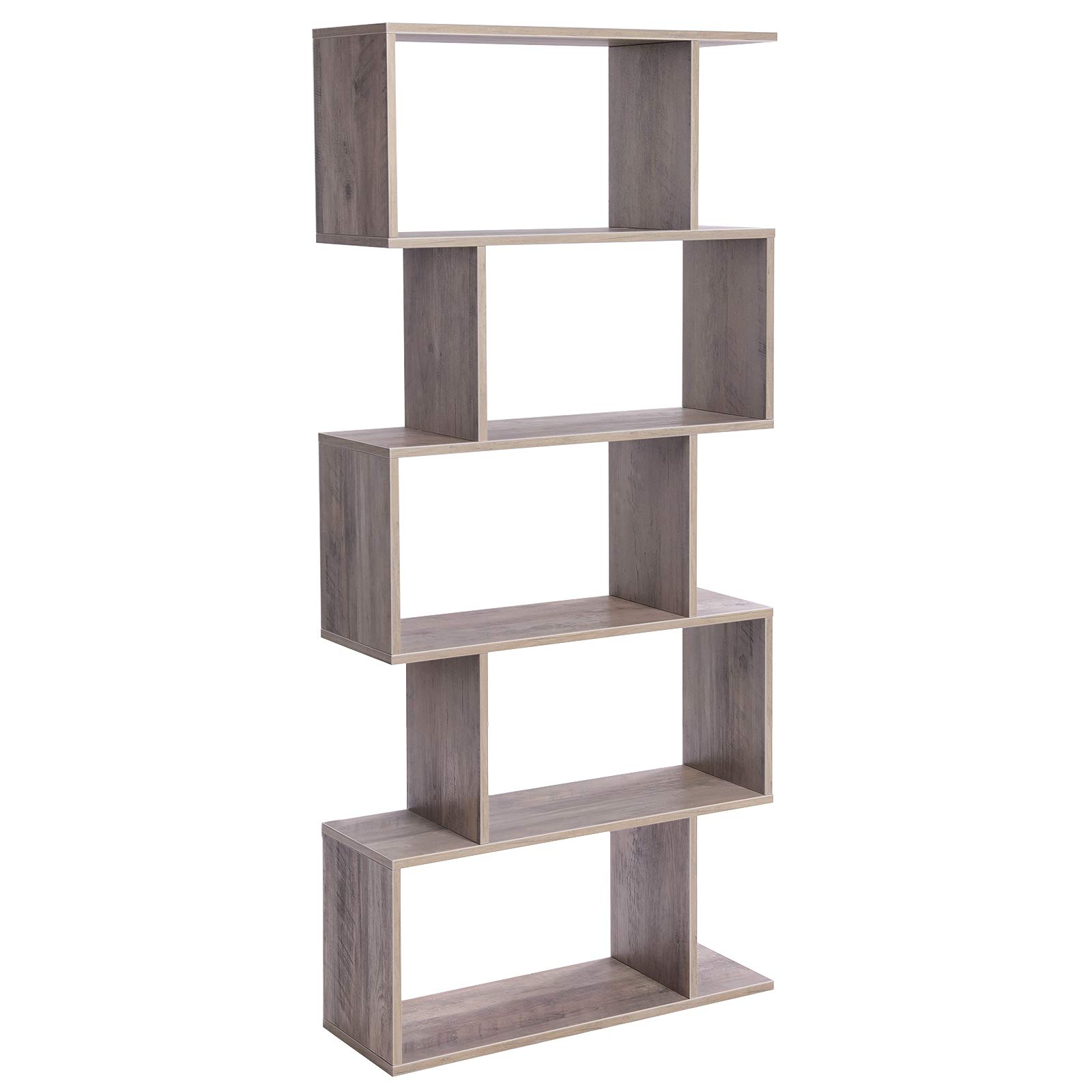
- Open storage pairs with a minimalist look for the home.
- Two anchoring devices help keep the shelf in place.
- Each shelf can handle a load capacity of 22 lb.
Best Gift For: A history lover who wants open storage for books in a study, living room, or bedroom.
ZEEYUAN 4x6 Photo Album, Holds 200 Photos
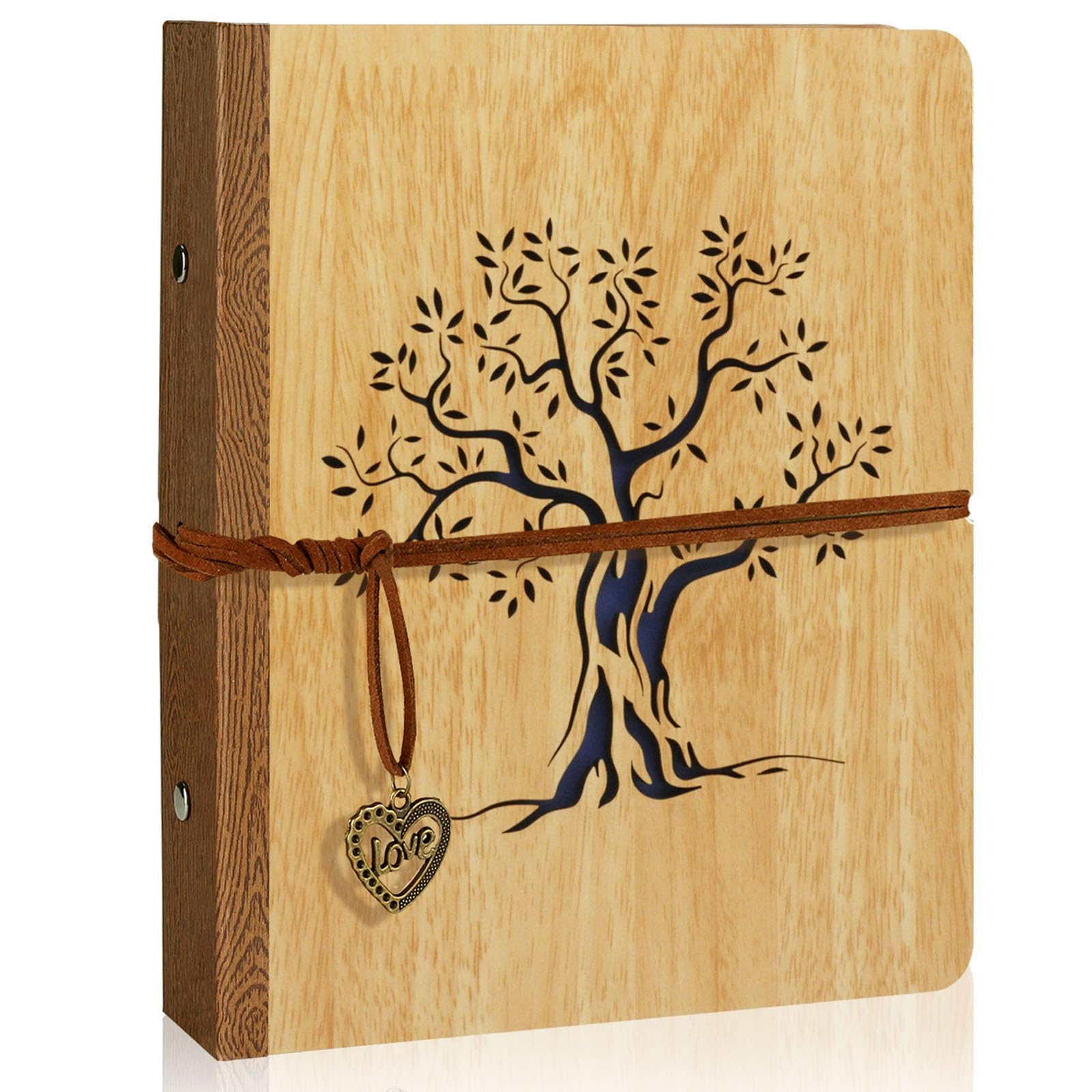
- Holds 200 photos.
- The album is sized for 4x6 photos.
- A family memory book for collecting photographs.
Best Gift For: A history lover who wants to preserve family photos.
1. Match gifts for history lovers to how they explore the past
When choosing gifts for history lovers, start with the way they spend time with the subject. A reader who settles in with biographies may appreciate a comfortable reading setup, while someone who annotates articles or keeps a research journal could make regular use of writing and page-marking supplies.
Think about their habits before choosing an object.
Consider where their interest lives. Some people follow a particular era through books and documentaries; others collect family stories, visit historic sites, or keep notes from museum trips.
A gift that supports an existing routine can feel more personal than a generic history-themed object, even when it is useful in an everyday way.
If you are unsure which period or topic they favor, avoid guessing at a specific historical theme. Practical choices for reading, writing, and organizing give them room to pursue their own interests.
A small accessory can also pair well with a book you know they have been meaning to read.
2. Set a comfortable budget and consider the space
There is a wide range of gift sizes here, from modest reading accessories to a substantial piece of furniture. Decide first whether you want a small token, a useful bundle, or a larger present for a milestone.
A modest gift can be thoughtful when it connects to a real habit; a bigger one makes more sense when you know the recipient has room for it.
For larger items, check current prices and dimensions before ordering, and consider whether the recipient has a suitable place for them. For smaller tools or supplies, compare the practical details that affect everyday use, such as the recipient’s preferred writing setup or whether they read mostly at home or on the move.
A combination can stay balanced without becoming clutter. Pair one useful item with a handwritten note or a carefully chosen book, rather than assembling several things that all serve the same purpose.
Keep the recipient’s space and existing collection in mind, especially if they already have a dedicated study or reading corner.
3. Personalize gifts for history lovers with a note and presentation
For gifts for history lovers, personalization can come from the message as much as the object. Mention a conversation about a favorite historical figure, a family story they shared, or a museum visit you both enjoyed.
That detail shows you were thinking about their interest without assuming they want more items tied to one subject.
You can also make practical gifts feel individual through presentation. Add a note explaining why you thought of their reading or research routine, or include a bookmark with a book recommendation that genuinely matches their tastes.
If giving a notebook, leave the first page untouched so they can decide how to use it.
For keepsakes involving photographs, choose images with a clear personal connection and arrange them in an order that tells a story. A few captions, dates, or names can help preserve context, provided you are confident they are correct.
Thoughtful preparation gives a simple gift an emotional thread without making the presentation elaborate.
4. Make the gift useful for real reading and research routines
Think about the setting where the recipient reads or studies. Someone who likes quiet evenings may value a small convenience for reading in bed, while a person who takes notes at a desk may prefer supplies that help keep ideas together.
A gift is easier to appreciate when it fits a familiar moment in the week.
For a home library, consider whether the person is actively reorganizing or adding books. Storage can be welcome when they have a clear need and space, but it is less personal if you do not know the dimensions or layout.
Ask a family member discreetly if a larger item would fit their plans.
If the history lover travels to lectures, archives, or museums, choose something portable and easy to carry. Avoid assuming a particular venue’s rules or the recipient’s equipment needs.
When compatibility or size matters, check current product details and ask the recipient if needed, especially for a gift meant to work with items they already own.
5. Plan timing and last-minute buying carefully
For a last-minute present, a compact item that is easy to wrap may be simpler than a large object that needs space or setup. Before placing an order, check the current delivery estimate for the recipient’s location and choose a presentation plan that still works if timing shifts.
Digital or handwritten notes can help make the occasion feel considered.
If you have time, confirm practical details directly or through someone close to the recipient. Check dimensions for furniture, intended photo sizes for albums, and compatibility for rechargeable accessories.
These small checks reduce the chance of an otherwise thoughtful gift becoming inconvenient, without requiring you to know every detail of their reading setup.
A reliable fallback is a personally written card paired with one useful item or a recommendation for a future shared outing. Invite them to choose a bookshop visit, exhibition, or local history walk together, without promising access or a particular schedule.
The time and attention behind the gesture can matter as much as the object itself.