Homeschooling blends lesson planning, hands-on discovery, and the everyday work of keeping a learning space ready. A useful holiday gift can support the parent’s routines or give children a fresh way to explore.
These ten ideas range from planning and desk tools to science, math, and building activities, with options for different ages and interests.
10 Christmas Gift Ideas for Homeschool Parents
Clever Fox Planner PRO Light Weekly & Monthly Planner

- Undated pages let the recipient begin at any point in the year.
- Monthly, weekly, and daily agenda layouts support planning across different time scales.
- Includes an illustrated user guide and colorful planning stickers.
Best Gift For: A homeschool parent who wants a flexible place to organize goals and weekly plans.

Phomemo D30 Bluetooth Mini Label Maker with 3 Tapes
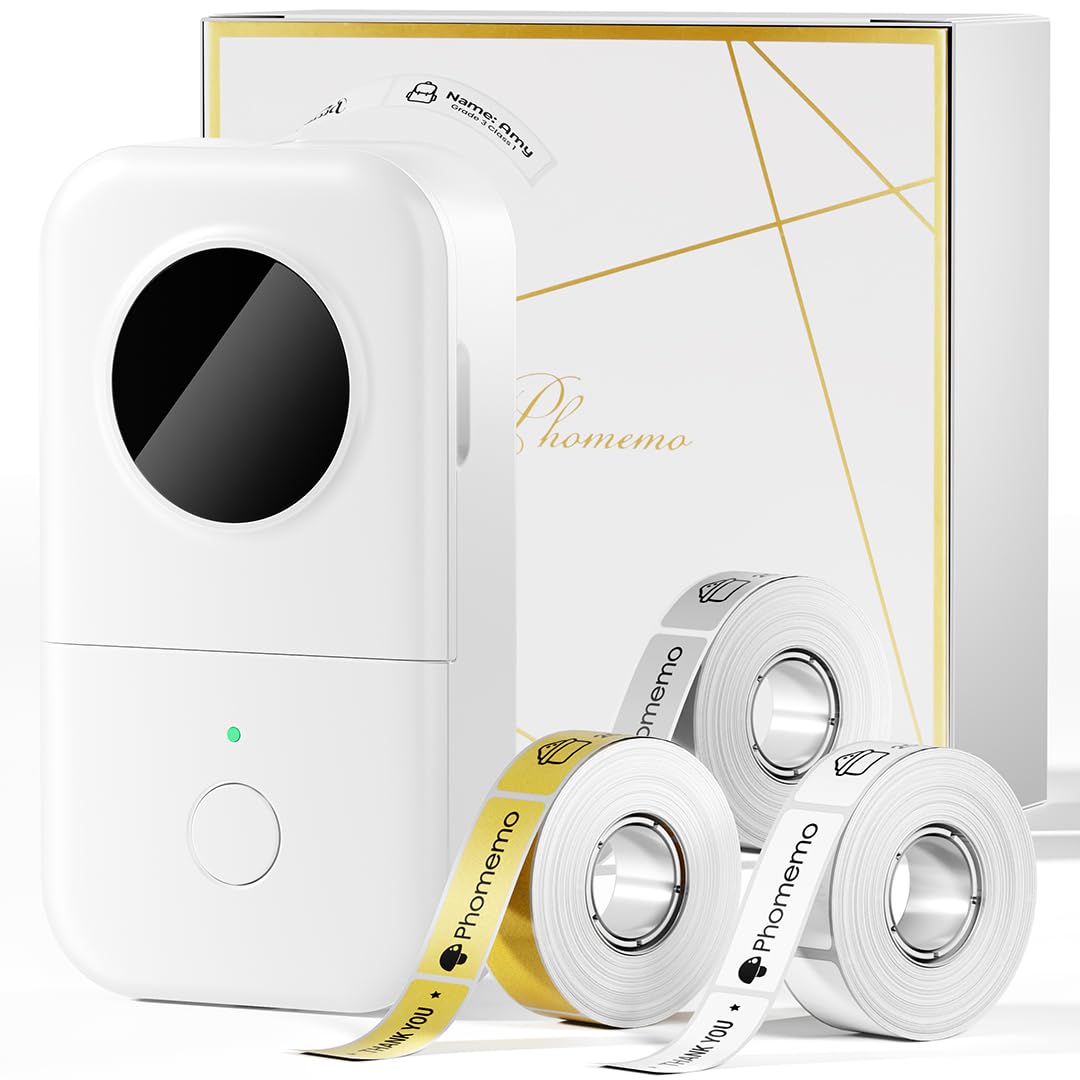
- The set includes three tapes in white, gold, and clear.
- Prints without ink, toner, or ribbons.
- A phone app offers templates and tools for creating labels.
Best Gift For: A homeschool parent who would enjoy labeling study supplies and storage.
WE Games Shoot the Moon Wooden Tabletop Game
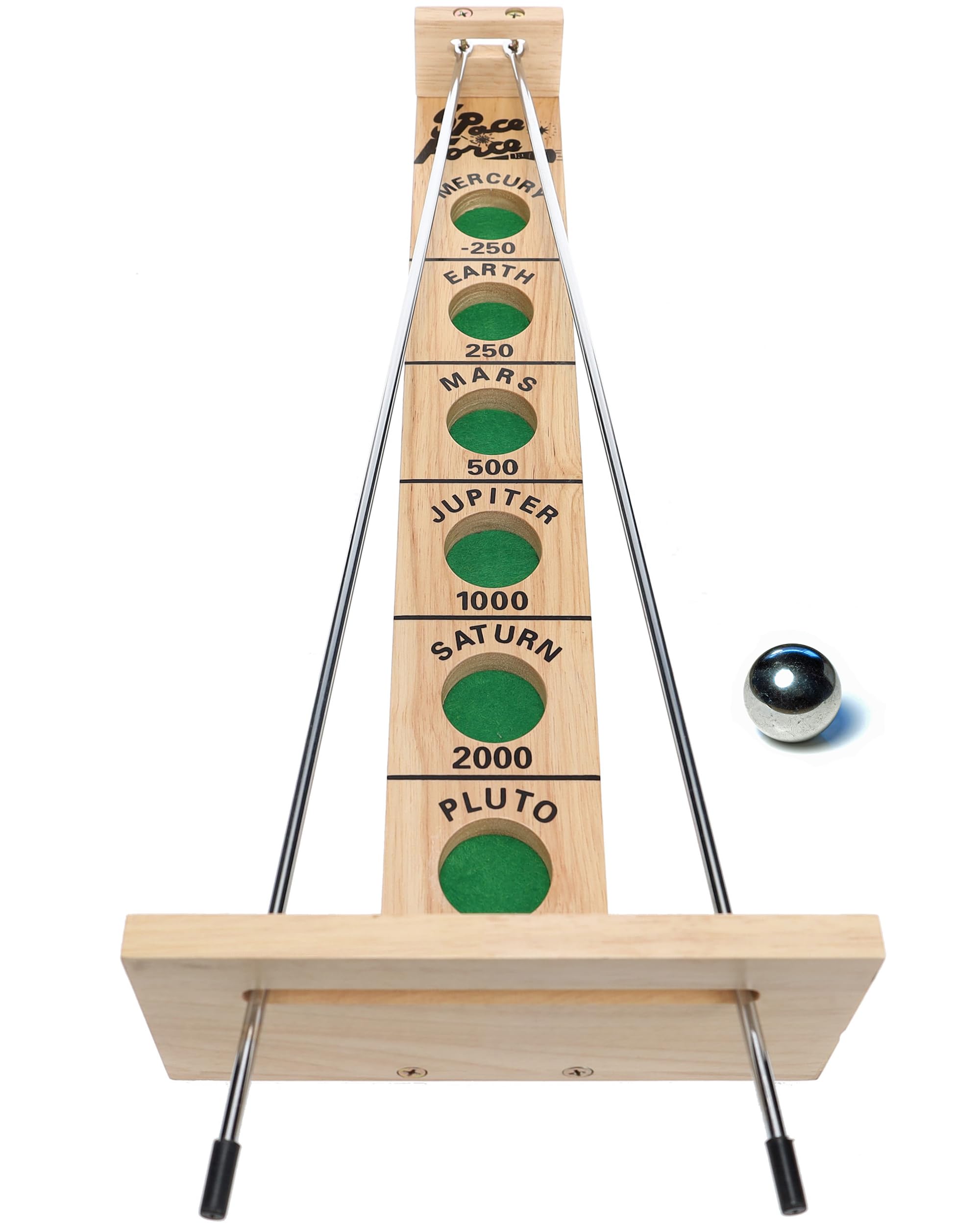
- Players balance and propel a metal ball uphill using metal rods.
- The tabletop design features solid natural wood.
- Felt pads are included for quiet landings.
Best Gift For: A homeschool family looking for a tabletop challenge to share during a break.
Dan&Darci Light-Up Crystal Growing Kit

- The kit includes red, blue, and clear crystal powders.
- A booklet explains how crystals are formed.
- The included LED display lights up the finished crystals.
Best Gift For: A homeschool parent planning a guided crystal-growing activity with a child.
TOMLOV DM9B 7-Inch Digital Microscope, 16GB
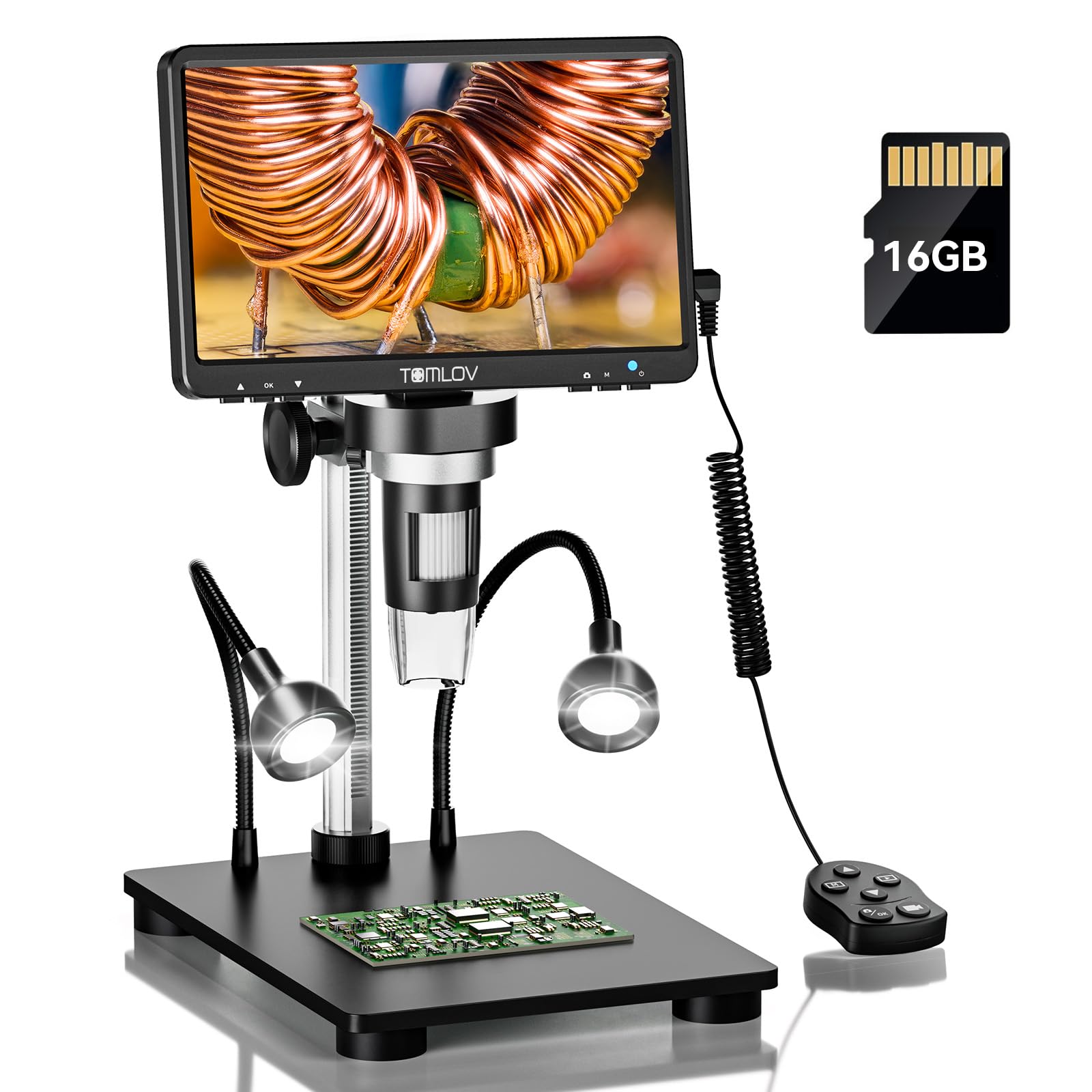
- A rotatable screen supports different viewing positions.
- The microscope can connect to a compatible Windows or macOS computer for a larger view.
- A Micro SD card is included for storing photos and videos.
Best Gift For: A parent sharing coin, stamp, or rock observation with an interested learner.
SKYDUE 360-Degree Rotating Desk Organizer
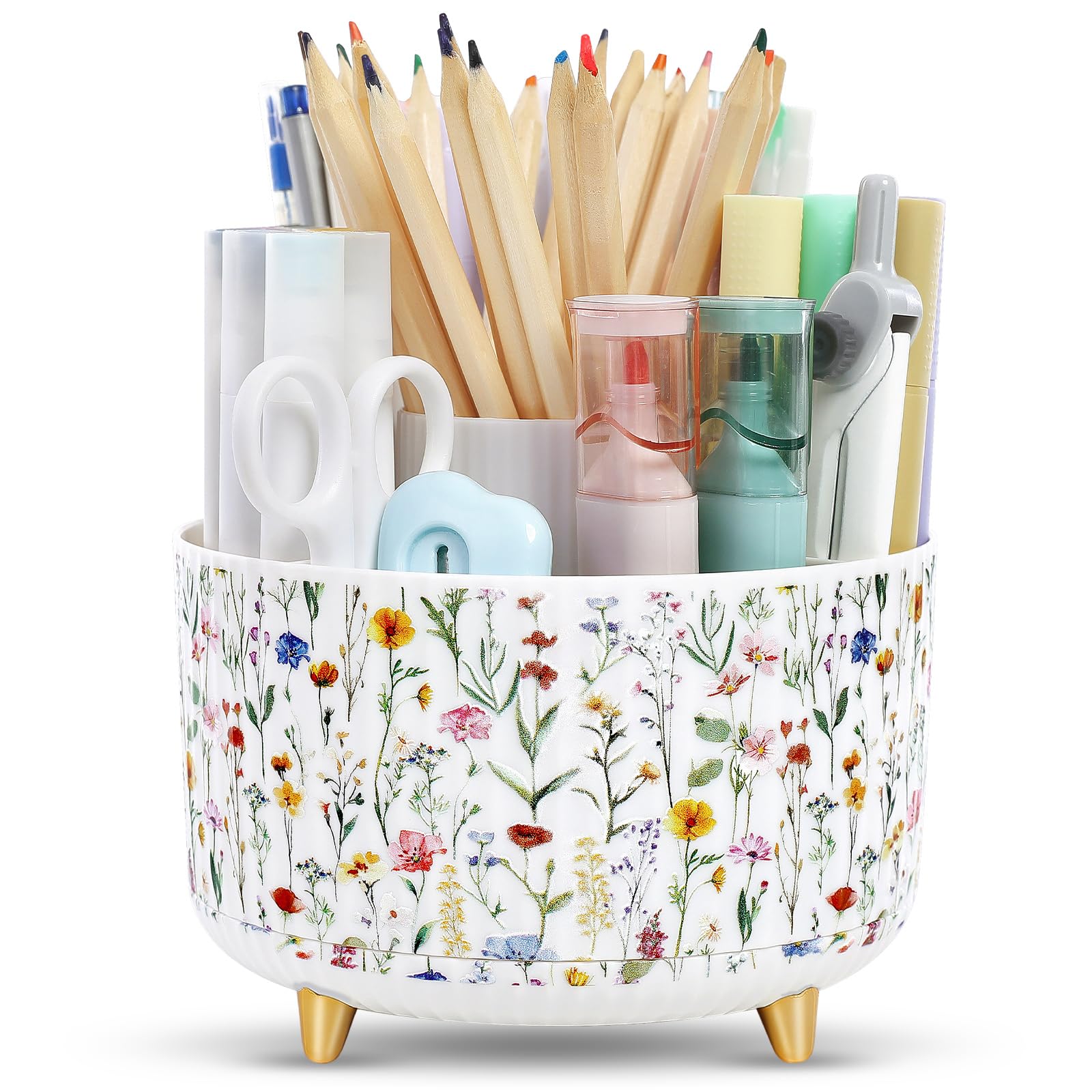
- Five compartments provide storage while taking up limited desktop space.
- The holder rotates to make writing tools easier to access.
- It can hold everyday office or art supplies.
Best Gift For: A homeschool parent who wants frequently used pens and small supplies close at hand.
SmartMax My First Dinosaurs Magnetic Building Set
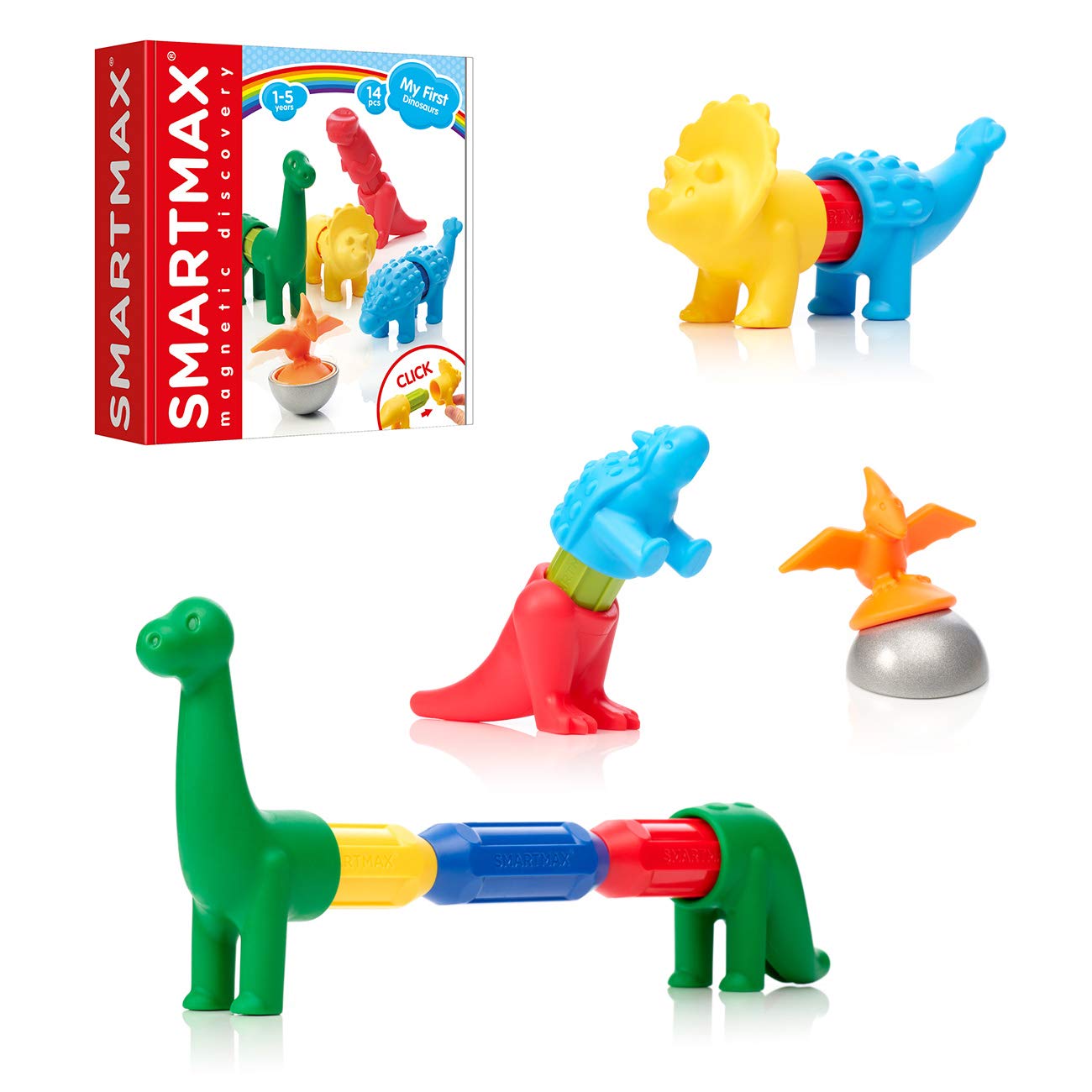
- Children can build named dinosaurs or mix pieces into new creations.
- The set includes 18 colorful pieces.
- The pieces introduce early magnetism and problem-solving through play.
Best Gift For: A homeschool parent choosing an early building activity for a child ages 1–5.
Learning Resources 1-2-3 Build It Robot Factory

- Children can make their own robot creations.
- The activity supports early engineering and critical-thinking skills.
- The set works with other 1-2-3 Build It! sets.
Best Gift For: A homeschool parent looking for a robot-building activity for a child ages 2 and up.
Learning Resources Minute Math Electronic Flash Card

- Practice covers addition, subtraction, multiplication, and division.
- One-minute challenges turn practice into a timed activity.
- A silent mode suits quiet practice in a waiting room, car, or classroom.
Best Gift For: A homeschool parent looking for a portable way to practice arithmetic facts.
Clever Fox Dotted Journal 2.0 A5 Notebook
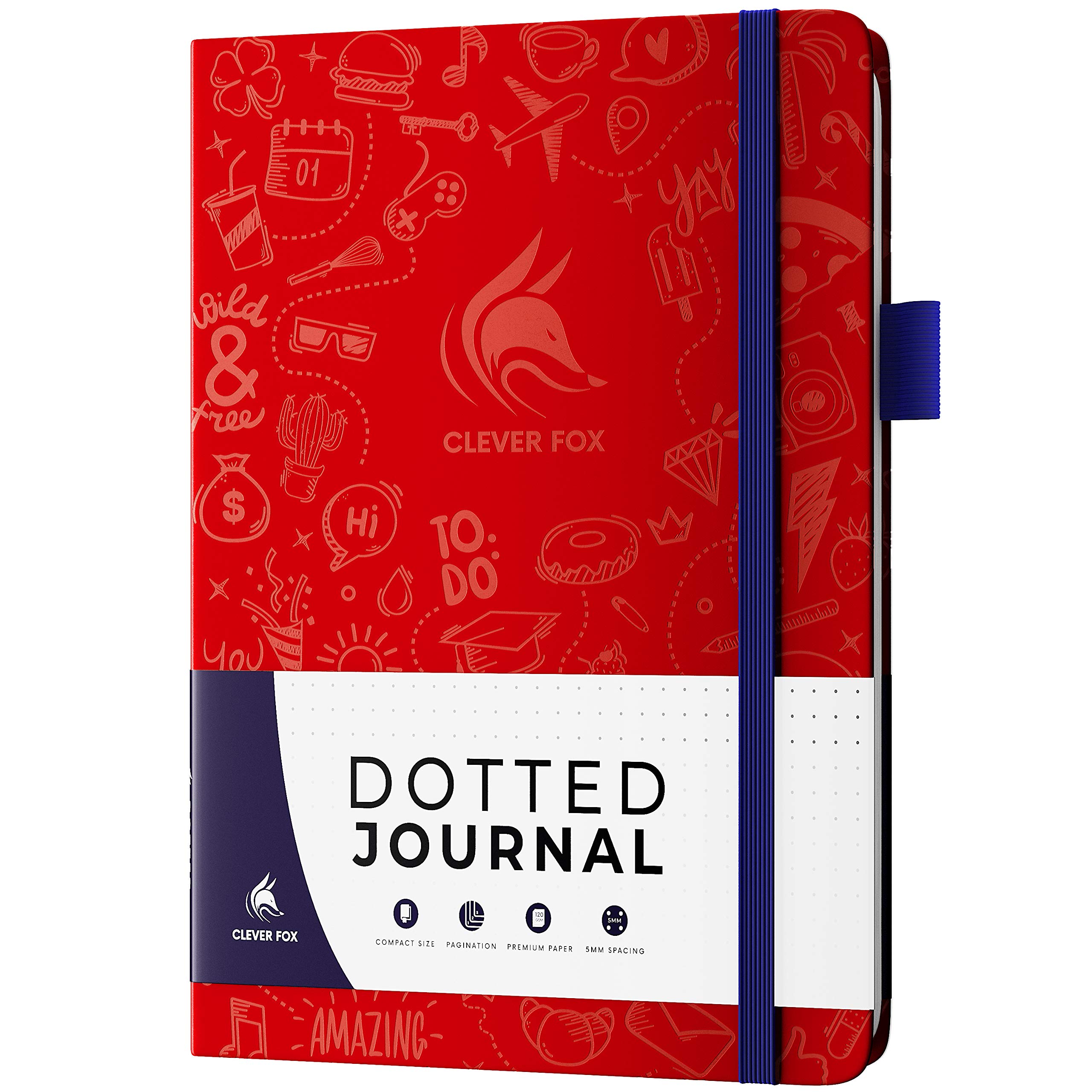
- The notebook has a lay-flat binding for writing comfortably.
- It includes a pen loop, elastic band, ribbon bookmarks, and a pocket.
- Numbered dotted pages come with key and index pages.
Best Gift For: A homeschool parent who likes keeping project notes, sketches, or personal reflections in one notebook.
1. Start with the homeschool routine
Christmas gifts for homeschool parents can be most useful when they match the rhythm of the household. Consider whether the recipient spends more time organizing lessons, preparing a shared desk, or looking for activities that invite a child to explore independently.
A planner, notebook, or organizer may suit a parent who likes to keep schedules and materials visible. For someone who wants to add hands-on learning, think about the child’s current interests and whether an activity can fit naturally into a lesson or a relaxed afternoon.
Age and attention span matter as much as subject. A young child may enjoy simple magnetic building, while an older learner might be ready to observe small details or practice arithmetic.
Choose for the children who will use the gift, while keeping the parent’s setup and supervision preferences in mind.
2. Balance usefulness and budget
A thoughtful gift does not need to transform the whole homeschool setup. Small desk or planning tools can make a practical gesture, while activity kits and learning devices may feel more substantial when they match a clear interest.
Think about how often the recipient is likely to use the item, not just how impressive it looks wrapped.
For a lower-commitment choice, consider something that supports an existing routine, such as organizing supplies or keeping notes. A more involved activity can be a good fit when the family already enjoys experiments, building, or shared games.
Check actual prices before buying, since prices can change.
Some gifts may involve extra considerations beyond the item itself. Review what is included, whether the recipient has compatible devices or supplies, and whether the activity suits the intended learner.
A useful present should feel manageable within the family’s space, schedule, and budget.
3. Make Christmas gifts for homeschool parents personal
Christmas gifts for homeschool parents feel more considered when they reflect how the family learns together. A planner might suit someone who enjoys mapping out a week, while a science activity may be a better fit for a child who asks how things form or change.
Presentation can add meaning without making the gift complicated. Pair a learning activity with a handwritten note suggesting a relaxed afternoon to try it, or wrap a notebook with a pen the recipient already likes.
If several children will share the gift, invite them to add a drawing or a short message.
Personalization also means respecting the parent’s teaching style. Some families prefer open-ended exploration; others appreciate a clear activity with instructions.
A gift that leaves room for the recipient to decide when and how to use it can feel supportive rather than like another task on an already full schedule.
4. Choose a gift that fits the space
Homeschool materials often move between a desk, kitchen table, and storage shelf, so consider how a present will fit into daily life. Compact tools can be easy to put away, while larger activities may need a dedicated place to spread out and return to later.
If the gift involves a screen, app, or computer connection, check compatibility with the devices the family already uses. For physical items, check dimensions and storage needs before ordering.
These simple checks can help avoid a well-meant present that is awkward to set up or keep.
Think, too, about whether the parent would welcome a shared activity or prefer something children can use with less preparation. A note offering to help set up or play together can make a practical gift feel warm, especially during a busy school season.
5. Plan ahead for holiday timing
For last-minute shopping, choose an item with a clear purpose and familiar setup. Before placing an order, check current product details and delivery estimates for the recipient’s location.
Avoid relying on assumptions about arrival dates, especially during the holiday rush.
If timing is uncertain, a printed note describing the gift can still give the recipient something thoughtful to open. You can also include a simple invitation to choose a day for an activity together, without promising a particular delivery date or adding pressure to the family’s schedule.
When you have time, confirm the intended age range, compatibility, dimensions, and what comes in the package. Those small checks are especially helpful when a gift will be used for lessons or shared across ages.
A little planning makes it easier to choose something that can be enjoyed when it arrives.