The TP-Link Tri-Band BE9700 WiFi 7 Router review centers on a capable option for homes with newer WiFi 7 devices, many connected gadgets, or multi-gig internet.
Its three bands, 10 Gbps and 2.5 Gbps ports, and support for up to 120 devices offer room to grow, though the benefits depend on compatible client devices and network service.
Archer BE600 Review Summary
The quick verdict
600+ ratings
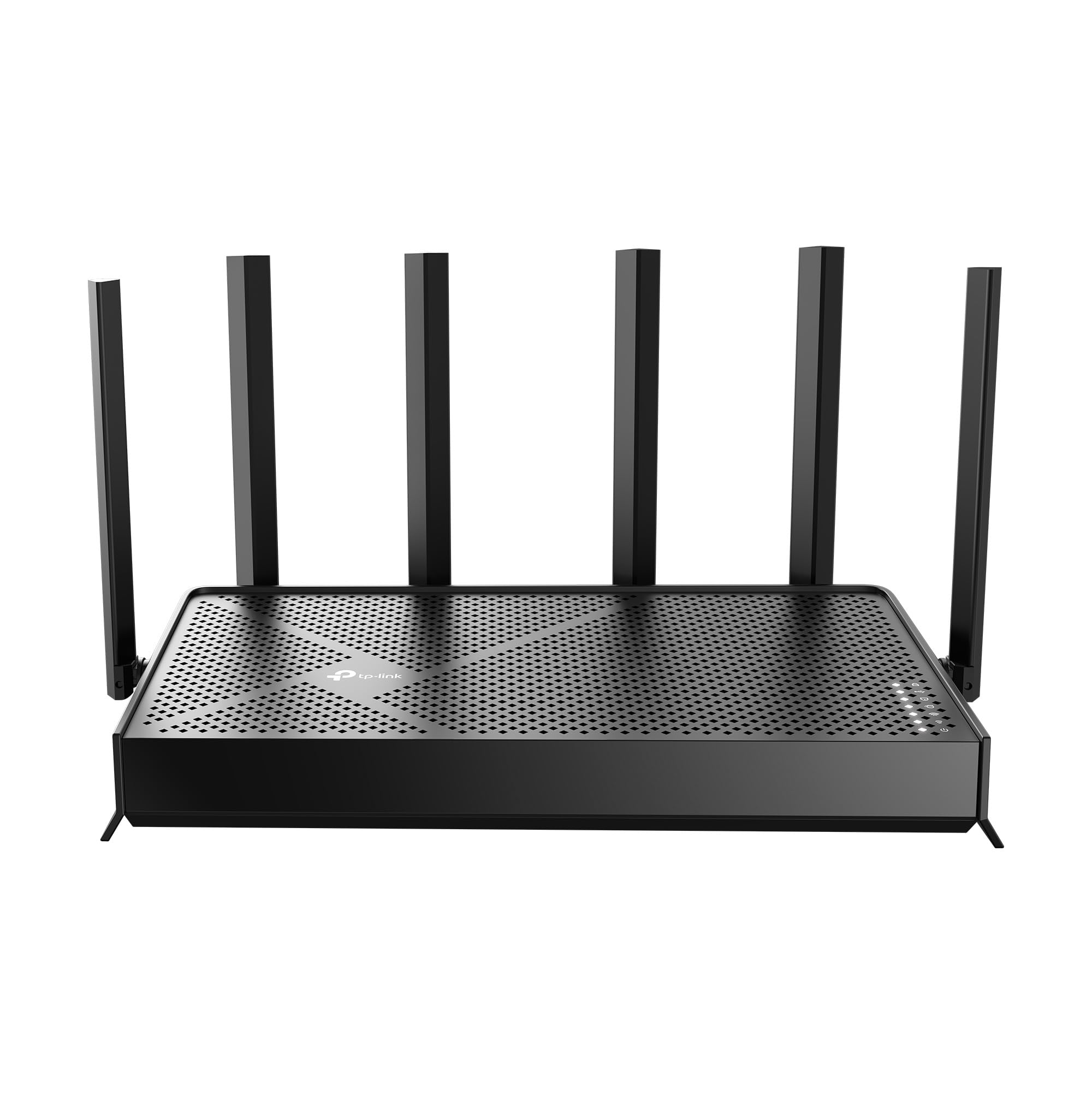
Read Amazon ReviewsTP-Link Archer BE600
A strong fit for busy homes seeking WiFi 7, multi-gig wired connections, and broad device capacity, provided their devices and internet plan can use them.
- Tri-band WiFi 7 with maximum rates of up to 5,765 Mbps on 6 GHz, 2,882 Mbps on 5 GHz, and 1,032 Mbps on 2.4 GHz.
- WiFi 7 features include Multi-Link Operation, Multi-RUs, 4K-QAM, and channel widths up to 320 MHz.
- One 10 Gbps WAN/LAN port, one 2.5 Gbps WAN/LAN port, and three 2.5 Gbps LAN ports support multi-gig wired setups.
- Six antennas and beamforming accompany a coverage claim of up to 2,600 square feet and support for up to 120 devices.

Pros
- Tri-band WiFi 7 supports newer devices and includes modern features such as MLO and 320 MHz channels.
- The mix of 10 Gbps and 2.5 Gbps ports can suit multi-gig internet and several wired devices.
Consider before buying
- The highest WiFi 7 rates require compatible devices and favorable conditions; older clients will not use all of the newer features.
- To benefit from the 10 Gbps and 2.5 Gbps ports, check that your modem, internet plan, and wired devices support those speeds.
Read the full review summary
The Archer BE600 is built around capacity and flexibility. Its tri-band WiFi 7 design supports claimed maximum link rates of up to 5,765 Mbps on 6 GHz, 2,882 Mbps on 5 GHz, and 1,032 Mbps on 2.4 GHz.
Multi-Link Operation, Multi-RUs, 4K-QAM, and channel widths up to 320 MHz are intended to take advantage of newer WiFi 7 clients.
Six antennas and beamforming complement a coverage claim of up to 2,600 square feet for as many as 120 devices.
Wired connectivity is a notable part of the package: one 10 Gbps WAN/LAN port, one 2.5 Gbps WAN/LAN port, and three 2.5 Gbps LAN ports give a home with a multi-gig modem or wired equipment several ways to connect.
HomeShield, VPN client and server support, and setup through the Tether app or web interface round out the feature set.
It is most relevant to households that can make practical use of WiFi 7 and multi-gig networking; a smaller or mostly older-device network may not need this much capacity.
The buying factors
Archer BE600 Scorecard
Editorial scores reflect listed features and buyer fit; they are not laboratory measurements or customer ratings.
WiFi generation and bands
WiFi 7 with three bands, MLO, Multi-RUs, 4K-QAM, and support for channels up to 320 MHz makes for a feature-rich wireless foundation.
Maximum wireless capacity
The combined band-rate figures add up to the BE9700 class, though they are theoretical maxima and not a single-device speed guarantee.
Wired connectivity
One 10 Gbps port and four 2.5 Gbps ports provide substantial multi-gig flexibility for compatible service and wired devices.
Coverage and device capacity
The stated ceiling of up to 2,600 square feet and 120 devices is appealing for busy homes, with real coverage depending on layout and obstacles.
Network management
Tether app and web setup give users two management paths, and HomeShield and VPN features add useful network controls.
Value for typical households
The advanced radio and port capabilities are compelling when used, but households with basic broadband and older clients may not benefit as much.
Key Features and Specifications of Archer BE600
- Tri-band WiFi 7 with maximum rates of up to 5,765 Mbps on 6 GHz, 2,882 Mbps on 5 GHz, and 1,032 Mbps on 2.4 GHz.
- WiFi 7 features include Multi-Link Operation, Multi-RUs, 4K-QAM, and channel widths up to 320 MHz.
- One 10 Gbps WAN/LAN port, one 2.5 Gbps WAN/LAN port, and three 2.5 Gbps LAN ports support multi-gig wired setups.
- Six antennas and beamforming accompany a coverage claim of up to 2,600 square feet and support for up to 120 devices.
- HomeShield includes network protection, parental controls, and IoT security features.
- VPN client and server support, plus setup and network management through the Tether app or web interface.
Pros and Cons of Archer BE600
Pros
- Tri-band WiFi 7 supports newer devices and includes modern features such as MLO and 320 MHz channels.
- The mix of 10 Gbps and 2.5 Gbps ports can suit multi-gig internet and several wired devices.
- A stated capacity of up to 120 devices is suited to homes with many connected products.
- App and web management provide convenient setup and control options.
Consider before buying
- The highest WiFi 7 rates require compatible devices and favorable conditions; older clients will not use all of the newer features.
- To benefit from the 10 Gbps and 2.5 Gbps ports, check that your modem, internet plan, and wired devices support those speeds.
- The coverage figure is an upper bound, so a home with thick walls, multiple floors, or a challenging layout may need a placement check.
Who Should Buy Archer BE600?
Good fit
Consider the Archer BE600 if you are moving to WiFi 7 and want a router with three bands, high stated capacity, and modern wireless features.
Homes with a mix of phones, computers, televisions, game systems, and smart devices may appreciate the room for multiple clients, especially as compatible WiFi 7 equipment becomes part of the household.
It is also a practical candidate when wired networking matters. Before buying, map your modem and wired devices to the port layout, and confirm that your internet tier can use a multi-gig WAN connection.
The 10 Gbps port is flexible as WAN or LAN, while the dedicated 2.5 Gbps LAN ports can connect compatible equipment directly.
The VPN support, HomeShield features, and Tether app or browser management give buyers additional ways to manage a home network.
Review the specific controls and VPN setup you plan to use, then decide whether they fit your household’s needs.
Who should skip it
Skip this model if your current internet service is modest, your devices are mostly older WiFi generations, and you do not plan to add multi-gig wired equipment.
In that setup, much of its advanced wireless and port capacity may go unused.
If you need dependable coverage across a complex, multi-floor home, do not rely on the maximum coverage figure alone.
Consider your layout and router placement, and check whether your home may need a mesh system or additional coverage equipment.
What the Archer BE600’s WiFi 7 and Multi-Gig Design Means
Tri-band WiFi 7 for compatible devices
Three bands give the router access to 2.4 GHz, 5 GHz, and 6 GHz connections, while WiFi 7 features such as MLO and channel widths up to 320 MHz are aimed at compatible newer clients.
The listed rates are maximums across bands and conditions, not a promise that one device will reach those figures.
Buyers should check which WiFi generation their most-used devices support and whether the 6 GHz band is useful in their home.
A useful port layout for multi-gig homes
The 10 Gbps WAN/LAN port and 2.5 Gbps WAN/LAN port offer flexibility for connecting a modem or wired network, while three additional 2.5 Gbps LAN ports provide multiple faster wired connections.
This arrangement makes the most sense when the modem, plan, and endpoints can support multi-gig speeds. If most wired equipment uses standard gigabit connections, the extra port headroom may be more future-facing than immediately useful.
Coverage and household device count
The six antennas and beamforming are paired with a claimed range of up to 2,600 square feet and support for as many as 120 devices.
These figures help indicate the intended scale, but walls, placement, interference, and client demand affect actual performance.
For a large or divided home, identify a central placement first and assess whether one router can reach the rooms where reliable signal matters.
Management, protection, and VPN options
HomeShield brings network protection, parental controls, and IoT security into the feature mix, while VPN client and server support can accommodate certain remote-access setups. The Tether app and web interface give users options for setup and ongoing management.
Buyers who depend on particular parental controls, security features, or VPN protocols should confirm those details meet their requirements before choosing.
Alternatives to Archer BE600
Computer Routers alternative
5,000+ ratings
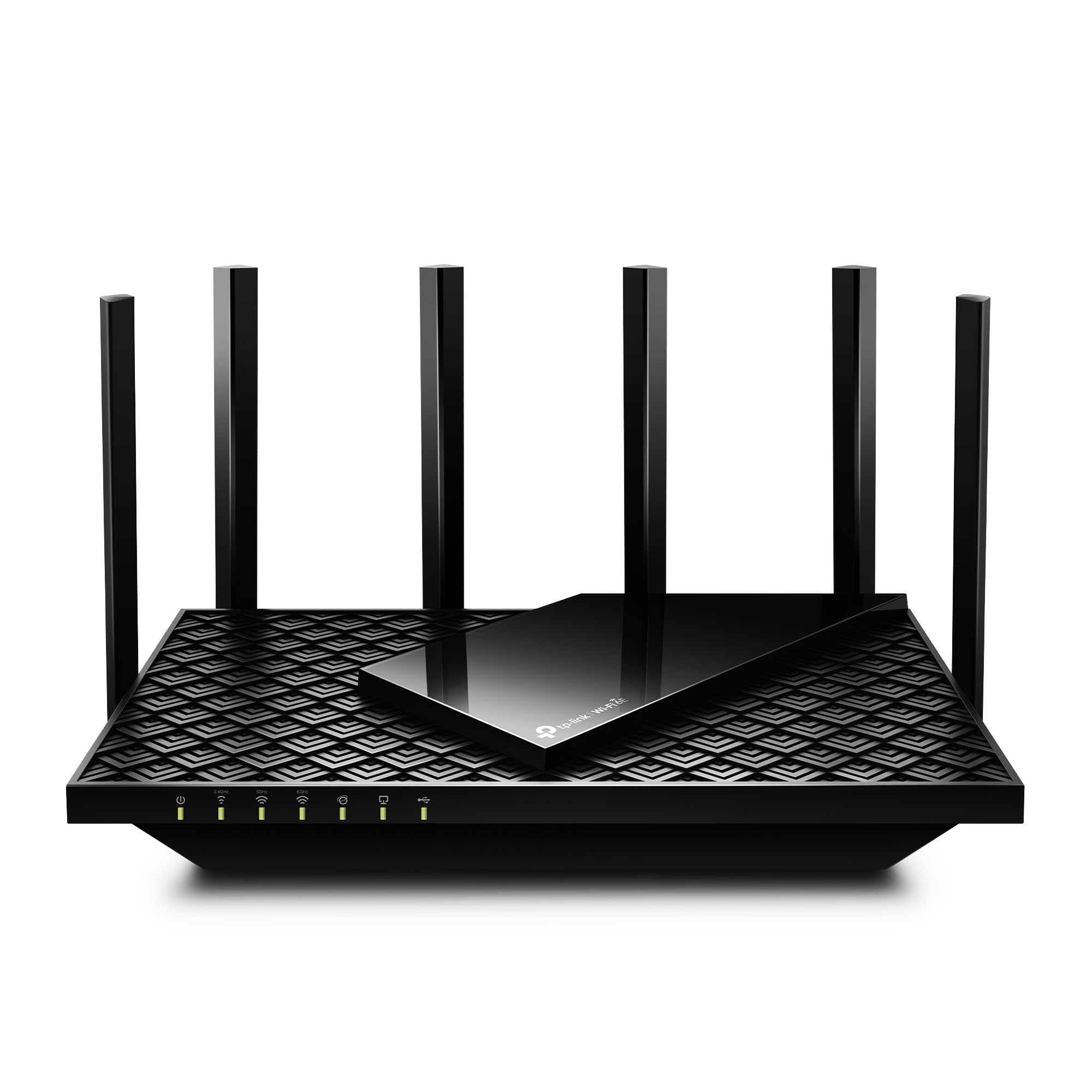
Read Amazon ReviewsTP-Link Archer AXE75
Choose the Archer BE600 if WiFi 7 and several multi-gig wired connections are priorities. The AXE75 may suit buyers who want tri-band access to 6 GHz and OneMesh support without needing the BE600’s higher-specification ports.
- The Archer AXE75 is a tri-band WiFi 6E router with a 6 GHz band, up to 5,400 Mbps combined stated WiFi rate, a 2.5 Gbps WAN port, VPN client and server support, and OneMesh compatibility.
- The Archer BE600 offers WiFi 7 tri-band networking, a 10 Gbps port, and multiple 2.5 Gbps ports, making it a better match for users seeking newer wireless features and multi-gig wired flexibility.
Computer Routers alternative
1,000+ ratings
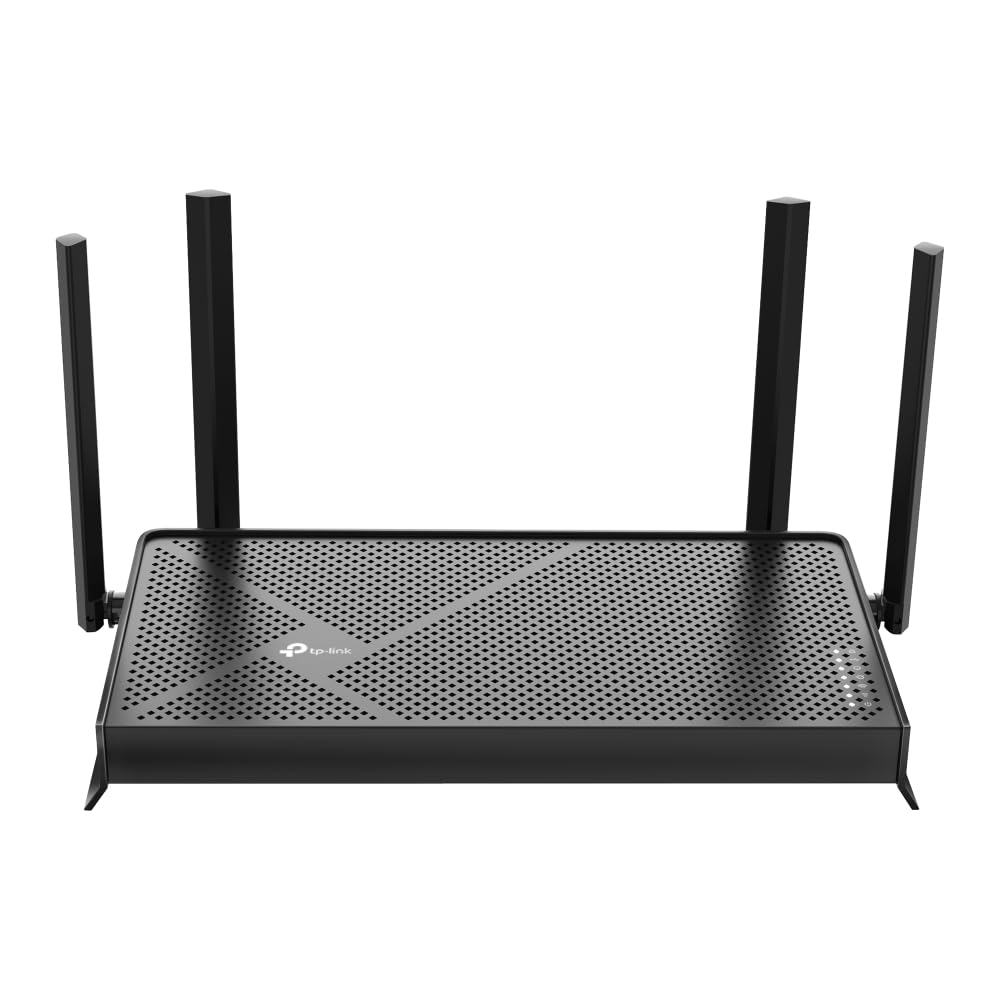
Read Amazon ReviewsTP-Link Archer BE230
Choose the BE600 when tri-band WiFi 7 and more multi-gig ports align with your devices and network.
The BE230 is a more appropriate fit if dual-band WiFi 7 and EasyMesh matter more than 6 GHz or multiple 2.5 Gbps wired connections.
- The Archer BE230 is a dual-band WiFi 7 router with up to 2,882 Mbps on 5 GHz and 688 Mbps on 2.4 GHz, two 2.5 Gbps ports, three gigabit LAN ports, USB 3.0, and EasyMesh support.
- The Archer BE600 adds a third 6 GHz band, higher stated wireless capacity, a 10 Gbps port, and three 2.5 Gbps LAN ports.
Is Archer BE600 Worth It?
The TP-Link Archer BE600 is worth considering for a busy home ready to use WiFi 7, with a particular advantage for buyers who also need multiple multi-gig wired connections.
Its tri-band design, modern wireless features, device capacity, and port selection give it room to serve a growing network.
Make the purchase decision around your actual clients, broadband tier, home layout, and wired equipment.
If those can use its advanced capabilities, the Archer BE600 is a strong, flexible choice; if not, a less capable router may be a better fit for your needs.
Your review at a glance
600+ ratings
Read Amazon ReviewsTP-Link Archer BE600
A strong fit for busy homes seeking WiFi 7, multi-gig wired connections, and broad device capacity, provided their devices and internet plan can use them.
- Tri-band WiFi 7 with maximum rates of up to 5,765 Mbps on 6 GHz, 2,882 Mbps on 5 GHz, and 1,032 Mbps on 2.4 GHz.
- WiFi 7 features include Multi-Link Operation, Multi-RUs, 4K-QAM, and channel widths up to 320 MHz.
- One 10 Gbps WAN/LAN port, one 2.5 Gbps WAN/LAN port, and three 2.5 Gbps LAN ports support multi-gig wired setups.
- Six antennas and beamforming accompany a coverage claim of up to 2,600 square feet and support for up to 120 devices.