For a child who likes asking how things work, a birthday gift can turn curiosity into something they can try, build, or observe. These five picks span different ages and interests, from early building play to growing crystals.
Consider how the child likes to explore: following a project step by step, examining small details, creating with magnetic pieces, or saving photos of experiments and discoveries. Check age suitability and current product details before choosing.
5 Birthday Gift Ideas for Young Science Fans
Light-Up Crystal Growing Kit
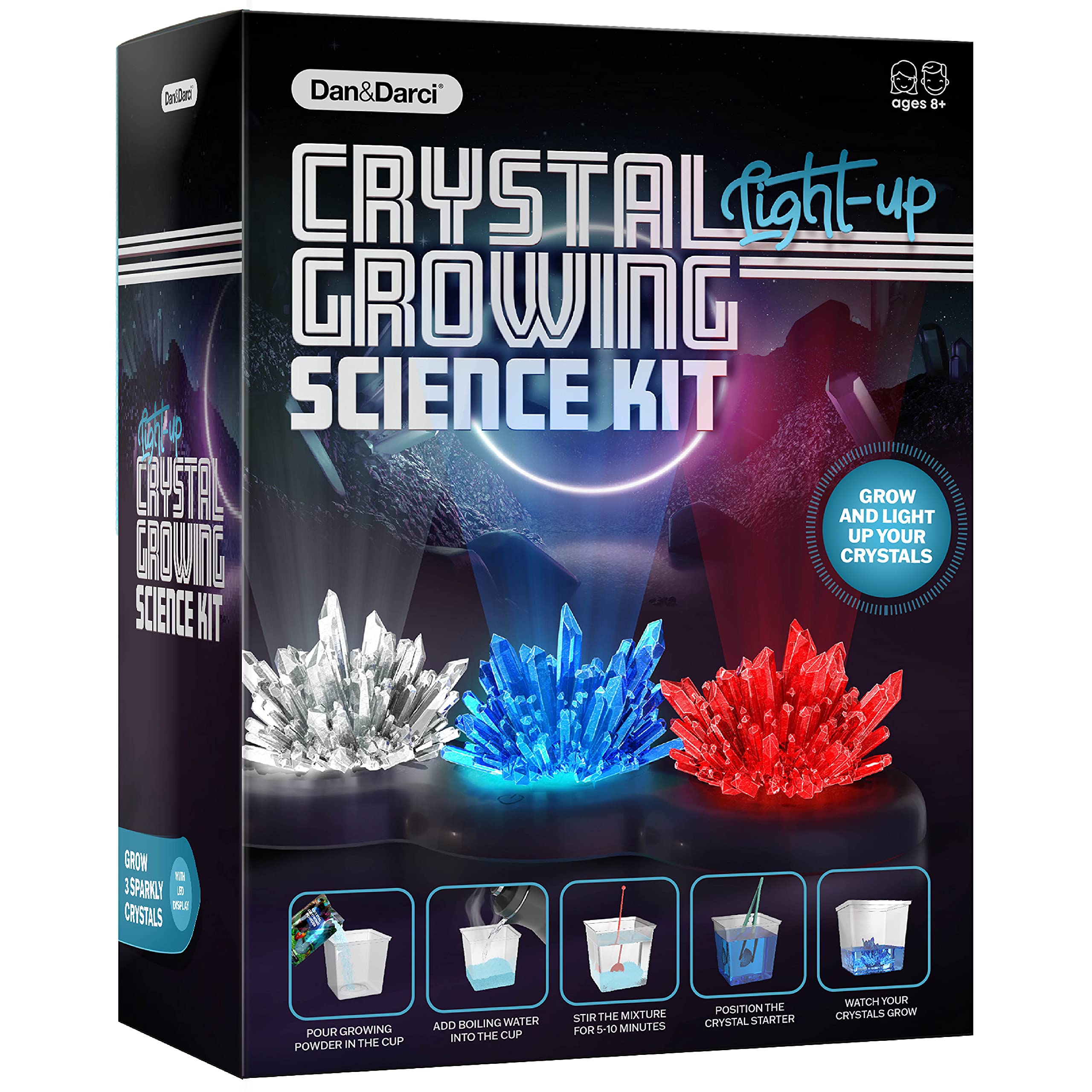
- Grow red, blue, and clear crystals, then display them on an LED light-up base.
- The illustrated learning guide explains how crystals are formed.
- The kit includes three growing cups and crystal powder in red, blue, and clear.
Best Gift For: A young science fan who would enjoy growing and displaying colorful crystals.

GeoSafari My First Microscope
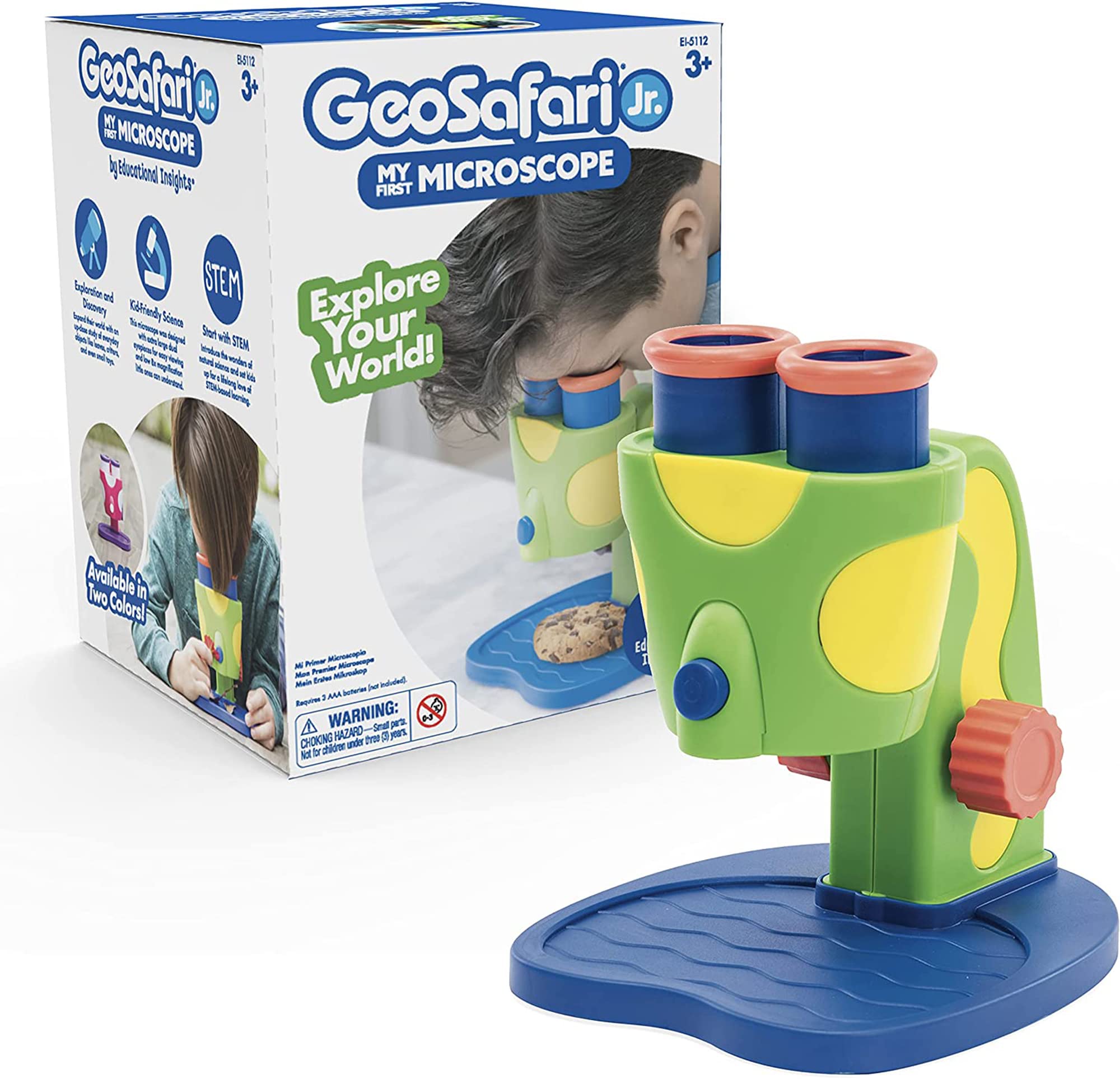
- Two large eyepieces let children look without closing one eye.
- An overhead LED light illuminates the sample tray.
- Includes prepared slides with storage; three AAA batteries are required and not included.
Best Gift For: A young child ready to explore prepared slides and look more closely at the world.
SmartMax My First Dinosaurs Magnetic Building Set
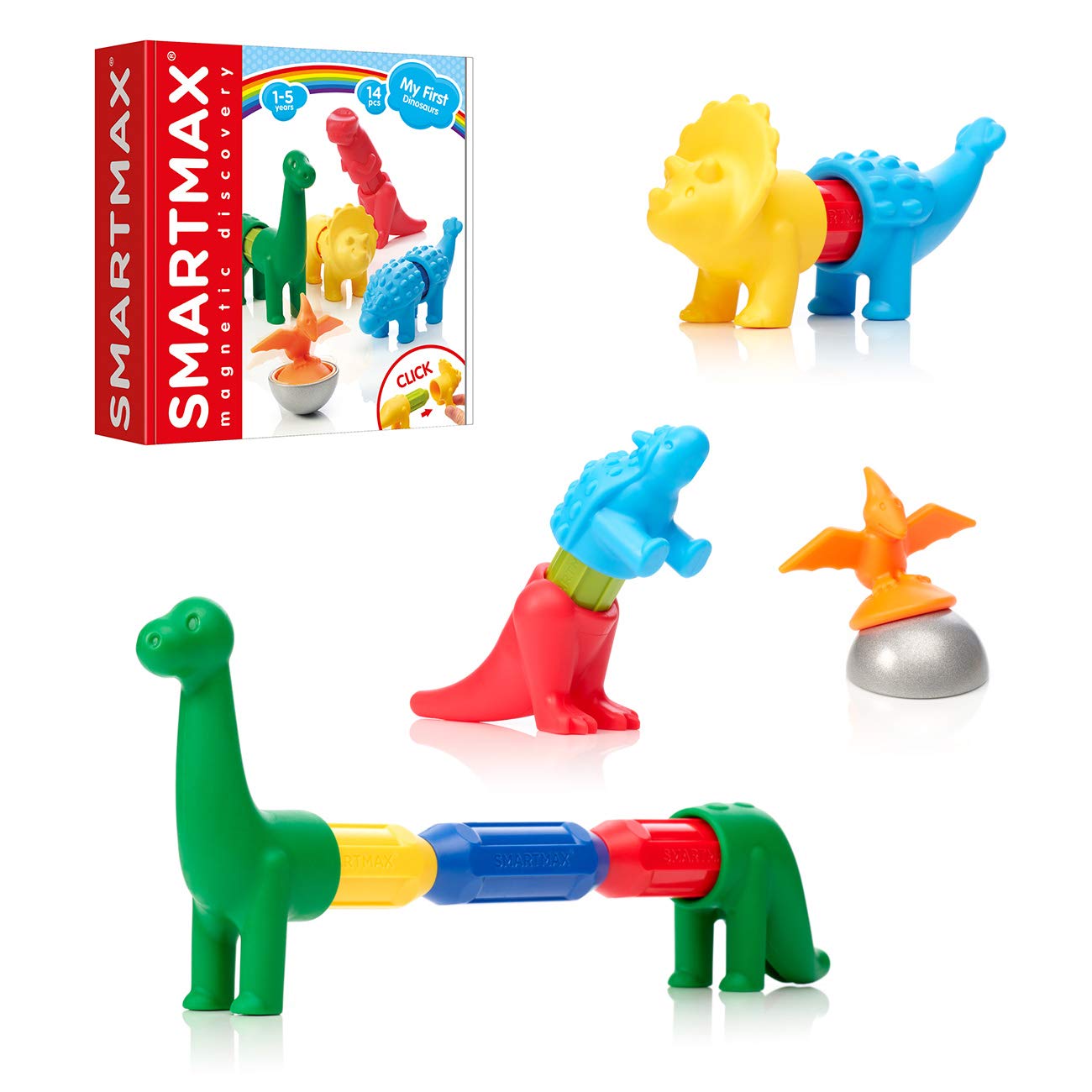
- Build a T-Rex, Triceratops, Stegosaurus, or imaginative combinations.
- Large magnetic bars and soft dinosaur pieces are made for little hands.
- The set includes 18 colorful pieces.
Best Gift For: A young dinosaur enthusiast who enjoys building, mixing pieces, and early STEM play.
Learning Resources 1-2-3 Build It Robot Factory
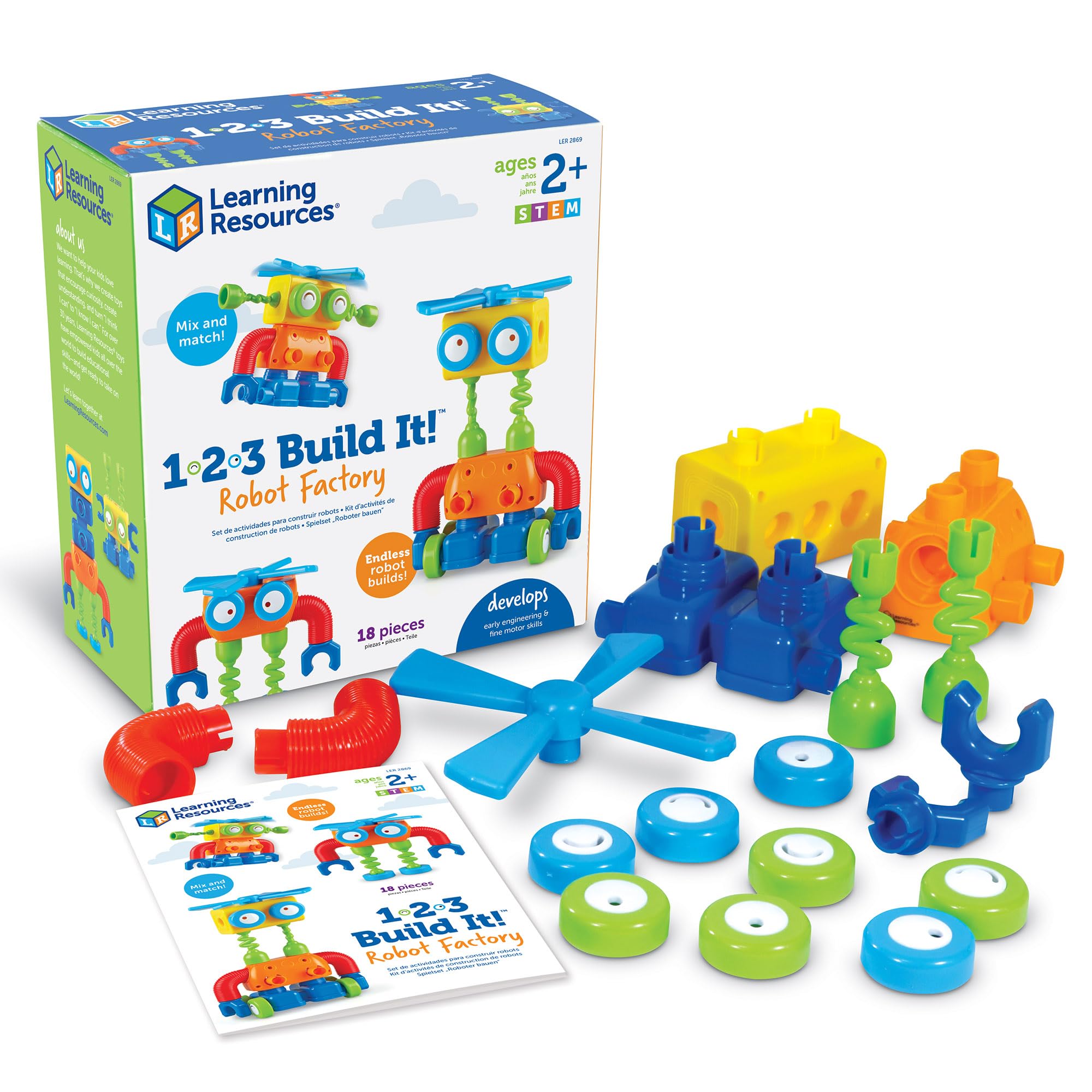
- Children can craft their own imaginative robot creations.
- Easy-to-handle pieces support fine motor practice.
- Works with other 1-2-3 Build It! sets.
Best Gift For: A young builder who likes making imaginative robots and practicing early engineering skills.
HP Sprocket Portable 2x3 Inch Instant Photo Printer
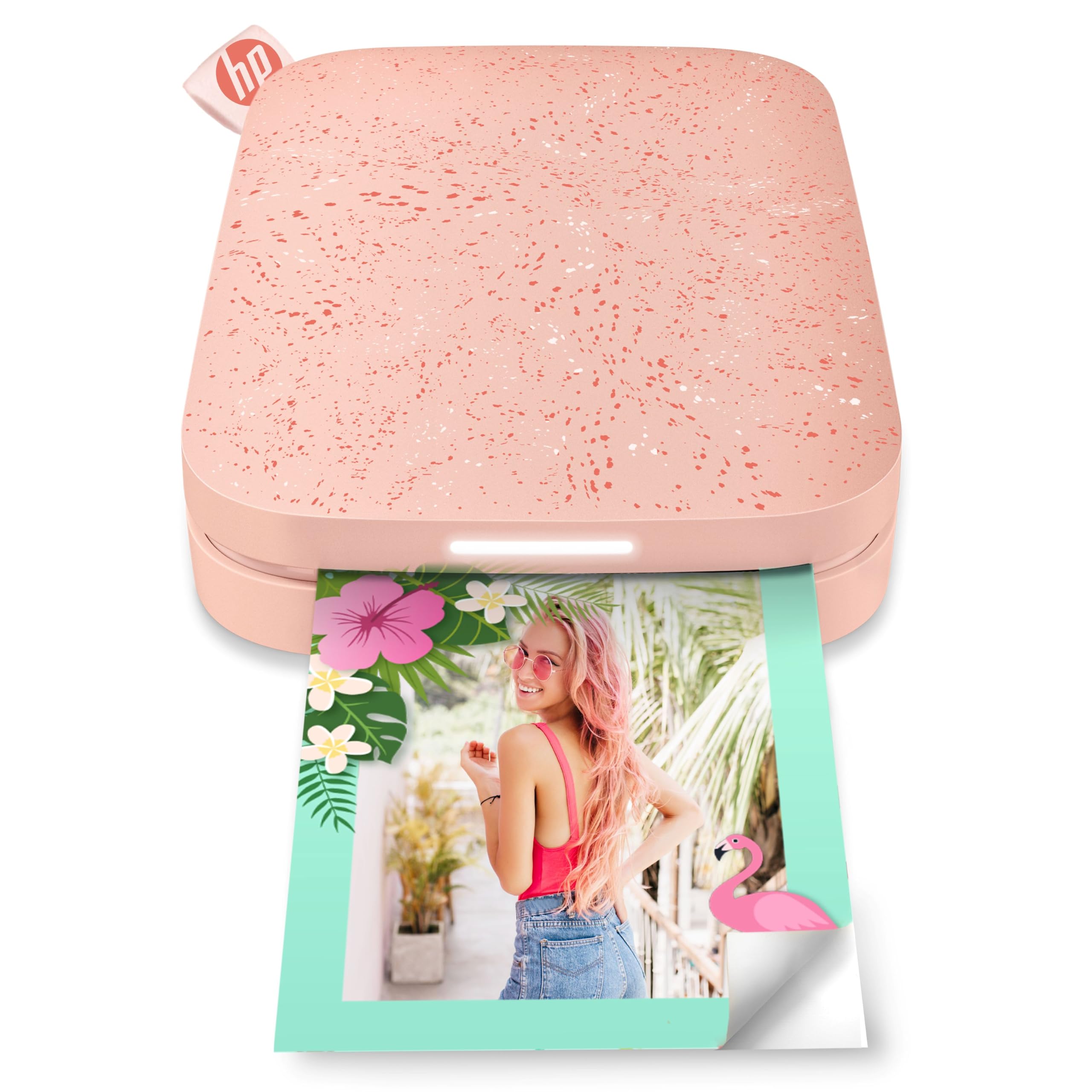
- Print sticky-backed photos from an iOS or Android device.
- Customize photos with borders and stickers in the app.
- The printer comes with 10 sheets of peel-and-stick ZINK photo paper.
Best Gift For: A child who likes photographing experiments, documenting projects, and sharing memorable discoveries.
Choosing birthday gifts for kids who love science
Start with the kind of discovery the child already enjoys. A child who likes waiting to see what changes may enjoy a guided growing project, while one who wants to inspect tiny details may prefer a microscope and prepared slides.
Hands-on building suits kids who learn by joining pieces and trying new combinations.
Age and patience matter as much as the science theme. Some children are ready to follow a booklet and handle a sequence of steps; others are happiest with open-ended play they can return to repeatedly.
Check the recommended age and ask a caregiver whether adult help is useful for the activity.
Think about where the gift will be used and stored. A microscope or display project needs a place to set up, while building toys can be easier to put away between play sessions.
If the child likes keeping a record of discoveries, printed project photos can extend the fun after an experiment ends.
Balance budget and play value
A lower-cost gift can still feel substantial when it offers a clear activity the child can start promptly. Look at what is included and whether the main play depends on separate supplies or batteries.
Check current product details before buying so the recipient is not surprised by an extra purchase.
For a larger spend, consider whether the gift matches an ongoing interest rather than a passing phase. A child who often builds may get more repeated use from a compatible construction set, while a budding observer may value an instrument with prepared samples.
Spend according to the child’s habits, not the size of the box.
When comparing options, consider how long the activity lasts and whether it invites repeat play. A single guided project may be exciting for a birthday afternoon; reusable pieces can support many different ideas.
These are different kinds of value, so choose the one that best fits the child and household.
Make birthday gifts for kids who love science feel personal
A small personal touch can connect a gift to the child’s interests. Add a birthday note asking what they hope to discover, or write a few prompts such as “What do you notice?” and “What might happen next?” This works well for observing, building, and documenting projects without requiring extra technical knowledge.
Presentation can make a hands-on gift feel like an invitation. Wrap it with a simple card naming the first activity you could try together, or pair it with a blank notebook for sketches and observations.
Check with the caregiver before adding materials, since the child may already have supplies or household preferences.
Think about how the child likes to learn. Some enjoy reading instructions before beginning; others want to explore first and return to the guide later.
A supportive message can encourage either approach and remind them that trying, noticing, and asking questions are part of the fun.
Choose the right level of guidance
For children who enjoy clear steps, a guided activity can make a birthday gift easy to begin. Check whether instructions are included and whether the child is likely to want an adult nearby.
If the recipient is younger, confirm with a caregiver that the activity suits their age and usual play style.
For more independent explorers, consider gifts that leave room to invent: changing how pieces fit together, choosing what to examine, or deciding which moments to record. Open-ended play can be engaging, but the best choice depends on the child.
A quick conversation with a parent or guardian can clarify what they already have and enjoy.
If the child has siblings, think about whether the activity can be shared comfortably. Taking turns can be part of the fun, but it helps to know whether there are enough pieces or materials for group play.
Check the product details for what is included and plan the first session around the recipient’s preferences.
Plan ahead for a smooth birthday
When buying close to the celebration, check the current delivery estimate before placing an order and leave time for wrapping. Also confirm the exact product name and variant, particularly if the child has asked for a particular color or set.
Those quick checks help avoid avoidable birthday-day surprises.
Review compatibility and requirements for gifts that connect to a device or need batteries. Confirm the recipient can use the relevant phone or tablet, and check whether any required accessories are already available.
For activity kits, look through the included components so you can decide whether anything else is needed before the birthday.
If timing is uncertain, prepare a thoughtful card or a small science-themed clue to give on the day, then share the gift details with the child. The message can describe the activity they will get to try without promising a delivery date.
A little anticipation can make the birthday feel special while you verify the order.